Furniture Removals
Furniture Removals Marylebone – Man and Van Marylebone
At Man and Van Marylebone, we provide reliable, carefully planned furniture removals across Marylebone and the surrounding central London areas. With years of hands-on moving experience in busy London streets and mansion block stairwells, we know how to move your furniture safely, efficiently and with minimum disruption.
Professional Furniture Removals in Marylebone
Our furniture removals service covers everything from a single sofa to a full flat, townhouse or office. We handle awkward staircases, tight lifts, residents' parking bays and access restrictions every day. Our aim is simple: protect your belongings, protect your property, and complete the move on time.
Every job is carried out by a trained, professional team using the right tools, protective materials and vehicles for the job. We are fully set up for central London moves, including controlled parking zone planning and building management requirements.
Local Expertise in Marylebone
Working in Marylebone day in, day out means we understand the particular challenges of the area. From period mansion blocks along Marylebone High Street to mews houses and modern developments, we know how to plan access, deal with concierge teams and work around residents' rules.
We can advise on parking suspensions, lift bookings and time restrictions, helping you avoid fines, delays and unnecessary stress. This local knowledge allows us to give realistic timings and a clear plan before moving day.
Who Our Furniture Removals Service Is For
Homeowners
Whether you're upsizing, downsizing or refurbishing, we move full household contents, single high-value pieces and everything in between. We protect floors, banisters and doorways to keep both your old and new homes in good condition.
Renters
If you're moving between rented flats or houses in Marylebone or across London, we provide flexible scheduling, careful handling of furniture and help with dismantling and reassembling standard items such as beds and wardrobes.
Landlords
We assist landlords with furnished property removals, part-clearances and end-of-tenancy furniture moves. We can remove, relocate or store items as needed, working around cleaners, decorators and inventory clerks.
Businesses
Our team carries out office furniture removals, including desks, chairs, meeting tables, filing cabinets and reception furniture. We can work outside normal office hours to minimise disruption to staff and customers.
Students
For students in halls or shared accommodation, we offer cost-effective student furniture removals for beds, desks, wardrobes, bookcases and boxed belongings, including term-time and end-of-year moves.
What We Can and Cannot Move
Items Included
We routinely move:
- Sofas, armchairs and sofa beds
- Beds, mattresses, wardrobes and chests of drawers
- Dining tables, chairs and sideboards
- Desks, office chairs and filing cabinets
- Bookshelves, coffee tables and TV units
- Freestanding white goods (fridges, freezers, washing machines etc.)
- Pictures, mirrors and standard home contents
Items Excluded or By Prior Agreement
For safety and insurance reasons, we cannot transport certain items, including:
- Hazardous materials (fuel, gas bottles, chemicals, paint thinners)
- Illegal or stolen goods
- Live animals or plants requiring specialist care
- Unboxed loose jewellery, cash or important documents
- Very large safes or industrial machinery without prior survey
Delicate or high-value items such as pianos, artwork or antiques can often be moved, but must be discussed in advance so we can provide appropriate protection and staffing.
Our Step-by-Step Furniture Removals Process
1. Enquiry & Quote
You contact us with basic details: addresses, property type, key items, preferred dates and any access notes. We ask clear, practical questions so we can give a realistic estimate. For straightforward smaller moves, we can often provide a fixed price or hourly rate quote straight away.
2. Survey (Virtual or Onsite)
For larger or more complex moves, we carry out a free survey, either by video call or visiting your property. This lets us check access, list furniture, identify items that need dismantling and assess any special requirements. From this, we prepare a detailed written quotation outlining what is included.
3. Packing & Preparation
On moving day, or beforehand if you book our packing service, we protect furniture with padded covers, blankets and wrapping. Mattresses and sofas are covered; fragile pieces are wrapped or crated as needed. If agreed, we dismantle beds, tables and wardrobes using the correct tools, keeping all fixings safely labelled.
4. Loading & Transport
Our trained team plans the loading order to keep items safe and make unloading efficient. We use webbing, straps and securing points to prevent movement in transit. Your furniture is transported in a suitable, clean removals vehicle, driven by experienced staff used to Marylebone and central London traffic and access conditions.
5. Unloading & Placement
At your new property we protect floors and walls where necessary, then place furniture in the rooms you request. If dismantling and reassembly were included, we rebuild the agreed items and ensure everything is safely positioned before we leave.
Transparent Pricing for Furniture Removals
We price our furniture removals based on a clear set of factors:
- Volume and type of furniture
- Number of movers needed
- Travel distance and parking arrangements
- Access issues (stairs, lifts, long carries)
- Additional services such as packing or dismantling
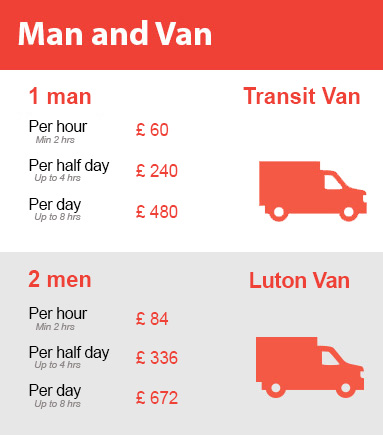
You will receive a written quote setting out whether the job is charged at a fixed price or an hourly rate, what is included, and any potential extra costs (for example, congestion or parking charges). We do not add surprise fees on the day; any changes are discussed and agreed before we proceed.
Why Use Professional Furniture Removals Instead of DIY
Moving furniture yourself or using an untrained casual man-and-van can seem cheaper, but often leads to damage, delays and personal injury. Our professional team is used to carrying heavy and awkward items safely, protecting both the furniture and the property.
We bring proper equipment, carry full insurance and work to agreed timings. In tight Marylebone stairwells or communal hallways, this makes a real difference. Professional removals also reduce the risk of disputes with landlords, freeholders or neighbours over damage to common areas.
Insurance and Professional Standards
Man and Van Marylebone operates with full goods in transit insurance, protecting your belongings while they are in our care and on our vehicles. We also carry public liability cover for added peace of mind in case of accidental damage to property or third parties.
Our teams are trained in lifting techniques, load security and furniture protection. We follow clear procedures for documenting jobs, handling fragile items and dealing with any issues that may arise. If something does go wrong, we have a straightforward process for resolving it quickly and fairly.
Care, Protection and Sustainability
We treat every item as if it were our own. Furniture is wrapped, covered and secured; properties are protected with floor runners and corner protectors where needed. We plan routes and loading to minimise risk and avoid unnecessary handling.
Where possible, we use reusable padded covers, durable blankets and re-usable crates to reduce waste. Cardboard and packing materials are sourced responsibly, and we plan journeys sensibly to keep fuel use and emissions down while still delivering a reliable service.
Real-World Use Cases
Moving House Into or Out of Marylebone
From first flats to family homes, we regularly manage full household moves into and out of Marylebone. We coordinate with building managers, book lift times and arrange parking so moving day runs smoothly and you can focus on settling in.
Office and Commercial Relocations
We help businesses move between offices, reorganise floor layouts or clear premises at the end of a lease. Desk systems, chairs, storage and meeting room furniture are dismantled, relocated and reassembled as required, with minimal downtime for your team.
Urgent and Short-Notice Moves
Sometimes moves arise at very short notice – a tenancy ending, a sale completing faster than expected or urgent works at your property. Where our schedule allows, we offer same-day or next-day furniture removals within Marylebone and nearby areas, providing a structured service even under time pressure.
Frequently Asked Questions
How much do furniture removals in Marylebone cost?
Costs depend mainly on the volume and type of furniture, access at each property, distance travelled and how many movers are needed. Smaller jobs may be charged at an hourly rate, while full home or office moves are usually priced as a fixed quote. Additional services such as packing, dismantling and reassembly are itemised so you can see exactly what you are paying for. Once we have the key details, we provide a clear written quotation with no hidden extras, other than agreed charges such as parking or congestion.
Can you handle same-day or urgent furniture removals?
Where our schedule allows, we can offer same-day or short-notice furniture removals in Marylebone and nearby areas. Availability depends on existing bookings, the scale of your move and the time needed to arrange parking or access. For urgent moves, it helps if you can send photos or a quick video of the items and access so we can assess requirements quickly. Contact us as early as possible and we will give you an honest answer on what we can do and by when.
Are my belongings insured during the move?
Yes. We provide goods in transit insurance to cover your furniture and belongings while they are being loaded, transported and unloaded, subject to our terms and conditions. We also hold public liability cover in case of accidental damage to property or third parties. We ask that valuable or fragile items are pointed out in advance so we can pack and protect them appropriately. Full details of cover, limits and any exclusions are set out in your quotation and booking documents.
What is included in a typical furniture removals service?
A standard service includes the vehicle, a trained removals team, protective covers and blankets, loading, secure transport and unloading into the rooms you specify. If agreed in advance, we can also include dismantling and reassembly of beds, wardrobes and similar furniture, packing services, and the supply of boxes and packing materials. Parking arrangements and congestion charges are discussed beforehand so you know whether they are included or added at cost. Everything that is covered is listed clearly in your written quote.
How is a professional removals service different from a basic man-and-van?
A casual man-and-van may offer simple transport, but often without proper insurance, trained staff or planning. A professional removals service like ours provides experienced movers, suitable vehicles, protective equipment, documented procedures and full insurance. We plan the job in detail, assess access, protect furniture and property, and provide written terms and a clear quote. This reduces the risk of damage, delays and disputes, and is especially important in managed buildings, communal areas and higher-value properties common in Marylebone.
How far in advance should I book my furniture removal?
For the best choice of dates and times, especially at month-end and weekends, we recommend booking at least 1–2 weeks in advance. This allows time to arrange any parking suspensions, lift bookings or building permissions, and to schedule the right team and vehicle. That said, we regularly accommodate shorter-notice moves when our diary allows. If you have a fixed completion date or tenancy end, contact us as soon as you know so we can reserve your slot and help you plan the rest of the move.
Piano Removals
Piano Removals in Marylebone by Man and Van Marylebone
Moving a piano is never just another job. It’s a specialist task that demands experience, the right equipment and a calm, methodical approach. At Man and Van Marylebone, we provide dedicated piano removals in and around Marylebone, handling every move with care, planning and precision.
Specialist Piano Removal Service Explained
Our piano removals service is designed specifically for upright and grand pianos, organs and other large instruments. We plan each move in detail, considering staircases, narrow hallways, high-value flooring and access to your property. Our professional team use piano skids, protective covers, straps and trolleys to ensure that the instrument and the property are both fully protected.
Whether you are moving a piano within the same building, across Marylebone, or further afield in London, we provide a structured, well-managed service led by experienced movers who understand both the weight and the value of what they are handling.
Local Piano Moving Expertise in Marylebone
Marylebone presents its own challenges: period buildings, basement flats, tight stairwells and controlled parking zones. We deal with these every week. Our local knowledge means we can plan around busy streets, arrange suitable parking and choose the best access route before we arrive.
Because we operate in Marylebone daily, we understand building layouts, concierge requirements, and where special protection may be needed in communal areas. That local experience helps us complete moves more smoothly, with less disruption to you and your neighbours.
Who Our Piano Removals Service Is For
Our specialist piano removals in Marylebone are ideal for:
- Homeowners – Moving house or rearranging rooms involving upright or grand pianos.
- Renters – Relocating between flats or houses, often with tight staircases and limited access.
- Landlords – Removing or repositioning pianos between tenancies or for refurbishments.
- Businesses – Hotels, schools, studios, churches and venues needing careful, scheduled piano moves.
- Students – Music students moving between term-time and home addresses who need reliable help on set dates.
Whether the piano is a family heirloom or a working instrument used every day, we treat it with the same level of respect and attention.
What We Can and Cannot Move
Items Included in Our Piano Removal Service
As part of our piano removals in Marylebone, we regularly move:
- Standard upright pianos
- Digital pianos and stage pianos
- Baby grand and grand pianos (with prior survey)
- Electric organs and small church organs
- Piano stools, music stands and small related accessories
Items Excluded or By Special Arrangement
Some items are excluded from standard piano removals or require advance discussion:
- Concert grand pianos (may require additional equipment and crew)
- Very large church organs or installations fixed to the building
- Instruments stored in unsafe or structurally unsound areas (e.g. unstable lofts)
- Hazardous materials or liquids stored inside or around the piano
If you have an unusual or particularly large instrument, we will review it as part of the survey to confirm what is possible and what additional measures may be needed.
Our Step-by-Step Piano Removals Process
1. Enquiry & Quote
You contact us with details of your piano, addresses and key access information. We will ask about the type of piano, the floors involved, lift availability and any stairs or tight turns. Based on this, we provide a clear, no-obligation quote that outlines what is included and any conditions that may apply.
2. Survey (Virtual or Onsite)
For many moves, a video call and photographs are enough to confirm access and plan the route. For more complex jobs or grand pianos, we may recommend an onsite survey in Marylebone. This allows us to measure doorways, assess staircases and identify any need for additional equipment or temporary protection.
3. Packing & Preparation
On the day, our trained team protect the piano and your property before anything moves. Depending on the instrument, we may remove legs, pedals or lids, pad and wrap the body, and protect floors, bannisters and door frames. We use heavy-duty blankets, corner protection and appropriate strapping to keep everything secure.
4. Loading & Transport
The piano is carefully moved using piano skids, dollies and lifting straps. We maintain clear communication throughout the move so every member of the team knows their role. Once loaded into our vehicle, the piano is secured against movement using professional-grade restraints. Transport is carried out in clean, well-maintained vehicles covered by goods in transit insurance.
5. Unloading & Placement
At the destination, we reverse the process just as carefully. The piano is brought in via the agreed route, positioned in the room of your choice and unwrapped. Where parts were removed, they are refitted. We will place the piano exactly where you want it, making small adjustments until you are satisfied with its final position.
Transparent Pricing for Piano Removals in Marylebone
We price piano removals based on several factors: instrument type (upright, baby grand, grand), number of floors, access complexity, distance between properties and any need for additional crew or equipment. Instead of flat "one-size" pricing, we offer a tailored quote that reflects the actual work involved.
Your quote will clearly state what is included: labour, vehicle, standard protection materials and insurance cover. There are no hidden extras; any potential additional charges (for example, if access is significantly different to what was described) are explained in advance, not on the day.
Why Use Professional Piano Movers Instead of DIY
Attempting to move a piano yourself, or with a casual man-and-van, often leads to damage, injury or both. Pianos are extremely heavy yet surprisingly delicate; the external cabinet, legs and internal mechanisms can all be damaged by incorrect handling.
By choosing experienced, professional movers you get:
- Correct lifting techniques and specialist equipment designed for pianos
- Reduced risk of injury to you, your friends or building staff
- Protection for floors, walls and staircases
- Fully insured carriage with clear responsibility
- A calmer, more predictable moving day
This is especially important in Marylebone’s older buildings where damage to communal areas can quickly become expensive and stressful.
Insurance and Professional Standards
Man and Van Marylebone operates to clear, documented standards to protect both you and us. All piano removals are covered by:
- Goods in transit insurance – Covering your piano and related items while they are in our vehicle.
- Public liability cover – Protecting against accidental damage to property or third parties.
Our moving teams are trained in safe manual handling, piano-specific techniques and property protection. We follow agreed risk assessments, use appropriate PPE where needed and always work within the limits of what is safe and reasonable for the property and the team.
Care, Protection and Sustainability
We take a careful, measured approach to every piano move. Protective blankets, floor runners and corner guards are standard, not extras. We aim to minimise noise and disruption, particularly in shared buildings, and we always respect house rules, concierge instructions and neighbours.
Where possible, we use reusable, long-life protection materials instead of single-use plastics. Our vehicles are regularly maintained and routed efficiently to reduce unnecessary mileage. By planning properly, we avoid repeated trips and wasted journeys, which is better for everyone involved.
Real-World Piano Removal Scenarios
Moving House with a Piano
If you are moving home in or out of Marylebone, we can integrate piano removals into a full home move or handle the piano as a dedicated job. We coordinate with your wider moving schedule to ensure that the piano is moved safely, without blocking access for other furniture.
Office, School and Studio Relocations
For businesses, schools and studios, we offer planned piano moves at times that minimise disruption—often early mornings, evenings or weekends. We work closely with site managers to protect communal areas and comply with any specific building or security requirements.
Urgent or Short-Notice Piano Moves
Sometimes pianos need to move quickly—end of tenancy, completion dates brought forward, or venue changes at short notice. Where our schedule allows, we offer same-day or next-day piano removals in Marylebone. We will always be honest about what is realistically achievable and safe within the time available.
Frequently Asked Questions
How much does a piano removal in Marylebone cost?
The cost of a piano removal depends on the type of piano, the floors involved, access conditions and the distance between addresses. Upright pianos with straightforward ground-floor access are typically at the lower end of the price range, while grands, multiple flights of stairs or complex access will cost more. We provide a clear, itemised quote after asking a few questions—or following a short survey for more complex moves—so you know exactly what you are paying for before you commit.
Can you do same-day or urgent piano removals?
Same-day or urgent piano removals in Marylebone are sometimes possible, depending on our existing schedule and the complexity of the move. Simple upright moves with good access are easier to arrange at short notice than grands or jobs involving difficult staircases. If you need a rapid booking, contact us with full details of the piano, addresses and timings. We will give you an honest answer about what we can achieve safely and may offer the earliest available slot if same-day service is not realistic.
Is my piano insured during the move?
Yes. Your piano is covered by our goods in transit insurance while it is in our care and on our vehicle, and by our public liability cover for accidental damage to third-party property. We will explain the main terms and any limits when we provide your quote, so you understand exactly how the cover works. While we handle every piano with great care, having robust insurance in place ensures you are properly protected in the unlikely event that something goes wrong during the move.
What exactly is included in your piano removal service?
Our standard piano removal service includes a pre-move assessment, a trained crew, the vehicle, protective blankets and floor coverings, loading, transport, unloading and placement of the piano in the room you choose. For grands, it can also include safe removal and reassembly of legs and pedals where needed. We protect key areas such as door frames, bannisters and flooring as standard. Tuning is not included, as this is a specialist musical service, but we recommend having your piano tuned after it has settled in its new location.
How is a specialist piano removal different from a normal man-and-van?
A casual man-and-van service may be fine for boxes or light furniture, but pianos require specific training and equipment. We use piano skids, proper straps, heavy-duty blankets and team lifting techniques designed for heavy, fragile loads. Our crews are experienced in handling complex staircases and tight corners commonly found in Marylebone. Importantly, our service is fully insured, with clear responsibility if something goes wrong. With an unspecialised man-and-van, you may find that pianos are excluded from their cover, leaving you at risk.
How far in advance should I book a piano removal?
For planned moves, we recommend booking at least one to two weeks in advance, especially if you need a specific date or time, such as a Saturday morning or late evening. This gives us time to survey access, arrange parking and allocate the right team. Shorter notice is often possible, particularly on weekdays, but availability can be limited during busy periods. If you have fixed dates linked to a house move, tenancy start or performance, it is best to secure your slot as early as you can.
Student Removals
Student Removals Marylebone – Man and Van Marylebone
Moving as a student can be stressful, especially around busy term dates and exam periods. At Man and Van Marylebone, we specialise in student removals in and around Marylebone, offering a flexible, affordable service designed for halls, shared houses, studio flats and small moves between universities.
Specialist Student Removals in Marylebone
Our student removals service is built around the realities of student life: limited time, limited budget, awkward stairwells, and last‑minute changes of plan. We provide:
- Careful transport of your belongings between halls, private rentals and home
- Collection from multiple rooms or addresses if needed
- Help with packing and dismantling basic furniture if required
- Evening and weekend moves to fit around lectures, exams and work
Every move is handled by a trained, professional, fully insured team that treats your things with the same care we would our own.
Local Marylebone Knowledge That Saves You Time
Based in Marylebone, we know the local streets, estates, halls and private blocks extremely well. That means:
- Efficient routing around congestion and parking restrictions
- Experience with building access rules, lifts and loading bays
- Realistic time estimates, even at peak periods and during events
Whether you are moving into student halls off Marylebone Road, a flat near Regent’s Park, or out to another part of London or the UK, our local expertise keeps your move simple and predictable.
Who Our Student Removals Service Is For
Homeowners
Parents supporting students moving to or from Marylebone often prefer a fully insured, reputable company. We can move belongings between the family home and university accommodation, including longer-distance moves.
Renters
If you’re renting a room or flat in Marylebone, we help you move in or out without disturbing neighbours, respecting building rules and common areas. Ideal for students in house shares or private rentals.
Landlords
We assist landlords in clearing student properties between tenancies, removing unwanted furniture and transporting stored items. Our teams arrive on time, work neatly and provide receipts and documentation as needed.
Businesses
Local businesses, training centres and student accommodation providers use us to move furniture, equipment and student belongings between sites or storage, with minimal disruption to operations.
Students
Our service is tailored for students with small to medium loads. Whether it’s a single room, bedsit or shared flat, we organise everything so you can focus on studying, not lifting boxes.
What We Can Move for Students
Our student removals service in Marylebone typically includes:
- Suitcases, clothes and personal belongings
- Desks, chairs, small bookcases and bedside tables
- Mattresses and standard bed frames (dismantled if needed)
- Course materials, books, folders and artwork
- Computers, screens, printers and small electronics
- Kitchen items, microwaves, kettles and small appliances
- Sports equipment, bikes and musical instruments
Items We Cannot Transport
For safety and legal reasons, some items are excluded:
- Hazardous materials (fuel, gas cylinders, chemicals)
- Illegal items or substances
- Unboxed loose liquids that may leak
- Commercial quantities of goods for resale without prior agreement
- Animals or live plants on long journeys (unless pre‑arranged)
If you are unsure about a particular item, ask us when you enquire and we will advise on the safest solution.
Our Step‑by‑Step Student Removals Process
1. Enquiry & Quote
Contact us by phone or online with your moving dates, addresses, and a rough list of items. We provide a clear, no‑obligation quote based on the volume, access and distance. Where budgets are tight, we’ll suggest ways to keep costs down, such as flexible timing or doing your own packing.
2. Survey – Virtual or Onsite
For most student moves, a quick virtual survey (photos or video) is enough. For larger moves or awkward access, we can visit in person. The survey ensures we send the right size vehicle and team, and avoids surprises on moving day.
3. Packing & Preparation
You can pack your belongings yourself, or we can provide a packing service with boxes, tape and protective materials. We advise on labelling, packing fragile items and preparing electronics. Beds and furniture can be dismantled in advance or by our team on the day.
4. Loading & Transport
On the day, our trained movers arrive on time, protect floors and walls where needed, and load systematically. Items are wrapped and secured in the van to prevent movement. We then transport directly to your new address, keeping you updated if traffic affects timings.
5. Unloading & Placement
At your new property, we unload into the rooms you specify and reassemble any furniture we dismantled. We take away our used protective materials, leaving you with a tidy space so you can settle in quickly.
Transparent Student Removals Pricing
We know students need predictable, fair pricing. Our quotes are based on:
- Volume of items (space used in the van)
- Travel distance and congestion
- Access (stairs only, lifts, parking restrictions)
- Extra services such as packing or storage
You’ll receive a clear breakdown with no hidden extras. Parking costs or congestion charges are explained in advance where applicable. For simple one‑room moves, we often offer fixed‑price options so you know exactly what you will pay.
Why Use Professional Removals Instead of DIY?
Hiring a professional student removals company in Marylebone offers several benefits over doing it yourself or using a casual man‑and‑van:
- Safety: Proper lifting techniques and equipment to prevent injury
- Protection: Use of blankets, straps and covers to safeguard your items
- Reliability: Confirmed bookings and punctual arrival
- Insurance: Your belongings are covered by our policies
- Efficiency: Experienced teams complete moves quickly, even with stairs and tight access
When time is short between term dates, a dependable, organised service makes a big difference.
Insurance and Professional Standards
Man and Van Marylebone is a fully insured removals company. For your peace of mind we carry:
- Goods in transit insurance – covering your belongings while they are being moved
- Public liability cover – protecting property and third parties during the move
Our teams are trained in handling fragile items, navigating communal areas without damage, and working respectfully around neighbours and building staff. We follow clear procedures for loading, securing and unloading to minimise any risk of loss or damage.
Care, Protection and Sustainable Practices
We take care seriously. Your furniture and boxes are wrapped in transit blankets, strapped securely and handled thoughtfully at every stage. Fragile items are clearly marked and loaded separately.
We also work to reduce waste and environmental impact by:
- Re‑using cartons and protective materials where safe and hygienic
- Offering collection of used boxes for re‑use or recycling
- Planning efficient routes to cut unnecessary mileage and emissions
Where possible, we encourage students to use sturdy, reusable containers and to avoid single‑use plastics.
Real‑World Student Move Scenarios
End‑of‑Term Clear‑Out
We regularly help students move out of Marylebone halls at the end of term, transporting belongings home or into storage. Tight timeframes and busy loading bays are managed calmly and efficiently.
New Accommodation Across London
Many students move from halls into private flats around London after first year. We handle these moves in one trip, coordinating keys, parking and lift access so you do not have to.
Last‑Minute or Urgent Moves
Occasionally contracts fall through or dates change at short notice. Subject to availability, we offer same‑day or next‑day moves, helping you avoid storage or temporary accommodation where possible.
Frequently Asked Questions
How much does a student removal in Marylebone cost?
Costs depend mainly on how much you have to move, the distance between addresses and access at each property. A small student room move within Marylebone is usually very affordable, especially if you pack yourself and are flexible with timing. Larger moves or journeys across the UK will cost more, but we always provide a clear, itemised quote in advance. Tell us what you’re moving, and we’ll suggest the most cost‑effective option for your situation.
Can you do same‑day or urgent student moves?
Yes, in many cases we can arrange same‑day or urgent student removals in Marylebone, particularly outside peak dates. If you need to move quickly due to a change in tenancy or other issues, call us as soon as possible with your details. We’ll check availability, give you a realistic arrival window, and advise on how to prepare quickly. While last‑minute bookings are subject to schedule and traffic, we always try to accommodate urgent student moves.
Are my belongings insured during the move?
Yes. Your items are covered by our goods in transit insurance while they are being transported in our vehicles, and by our public liability cover while we are working on your premises. This provides protection against accidental loss or damage within the terms of our policy. We’ll explain any limits or exclusions when you book, and we always recommend packing carefully and declaring any particularly high‑value or fragile items so we can give them extra protection.
What is included in your student removals service?
Our standard student removals service includes the vehicle, fuel, a professional moving team, loading, safe transport, and unloading into the rooms you specify. We supply transit blankets and securing straps as standard. Optional extras include packing materials, a full or partial packing service, dismantling and reassembling basic furniture, and short‑term storage by arrangement. We’ll confirm exactly what is included in your quote so you know what to expect on moving day.
How is a professional removal different from a basic man‑and‑van?
A casual man‑and‑van may be fine for very small, low‑value moves, but standards and insurance can vary. With a professional removals company like ours you get trained staff, fully insured vehicles, proper protective equipment and a clear booking process. We survey your move in advance, plan around access restrictions, and provide reliable arrival times. If something unexpected happens, we have procedures and insurance in place. For most students, this level of reliability and protection is worth the modest extra cost.
How far in advance should I book my student move?
For peak periods such as the end of term, we recommend booking at least two to three weeks in advance to secure your preferred date and time. For quieter times of year, a few days’ notice is often enough. However, the earlier you contact us, the more flexible we can be on timing and price. If you’re unsure of exact dates, we can discuss provisional arrangements and confirm once your tenancy or hall dates are finalised.
Flat Removals
Flat Removals in Marylebone by Man and Van Marylebone
Moving in or out of a flat in Marylebone brings its own set of challenges – stairs, tight hallways, parking restrictions and building rules. At Man and Van Marylebone, we specialise in professional flat removals designed specifically for local properties, from studio apartments to large maisonettes.
With years of hands-on experience in the area, we know the buildings, the access routes and the local regulations. Our aim is simple: a smooth, well-organised move that protects your belongings, your building and your schedule.
What Our Flat Removals Service Includes
Our flat removals service in Marylebone covers everything you need for a safe, efficient move. Whether you are upsizing, downsizing or relocating for work, we provide a complete, structured service:
- Studio, one-bed and two-bed flat removals
- Larger family flats and maisonette moves
- Part-load and single-item moves within Marylebone and across London
- Packing and unpacking services (full or partial)
- Dismantling and reassembly of furniture where required
- Protective wrapping for fragile and high-value items
- Careful handling in stairwells, lifts and communal areas
Every move is planned in detail so that loading, parking and building access are managed properly and neighbours are not inconvenienced.
Local Expertise in Marylebone
Operating daily in Marylebone means we understand local traffic patterns, restricted parking bays, loading times and building management requirements. We routinely work with:
- Period mansion blocks with no lifts
- Modern developments with concierge and booking systems
- Basement and top-floor flats with tight staircases
Our team plans access in advance, arranging parking permits where necessary and liaising with building management when required. This local knowledge reduces delays and significantly lowers the risk of damage in communal areas.
Who Our Flat Removals Service Is For
Homeowners
If you own a flat in Marylebone and are moving within London or further afield, we provide a structured, fully managed service that protects your property and your building. We can coordinate dates with your completion and key handover.
Renters
For tenants coming to the end of a tenancy, we offer careful, efficient removals designed to help you leave the flat in good condition. We pay attention to walls, floors and common areas to minimise the risk of deductions from deposits.
Landlords
Landlords often need fast, reliable clearances when tenants move out. We can remove furniture, dispose of unwanted items responsibly and prepare the flat for the next occupants, working to tight timelines where necessary.
Businesses
Many professionals live and work from Marylebone flats. We assist with home office moves, moving IT equipment, files and office furniture with care and clear labelling so you can be operational again quickly.
Students
Students moving into or out of Marylebone accommodation benefit from a straightforward service with clear pricing. We can handle smaller loads, shared flat moves and term-time relocations to and from storage.
What We Can and Cannot Move
Items Typically Included
- Sofas, beds, wardrobes, drawers and other furniture
- Kitchen appliances (freestanding), where safely disconnectable
- TVs, computers and other electronic equipment
- Clothing, books, personal belongings and household items
- Artwork, mirrors and decorative items with appropriate protection
- Boxes packed by you or packed by our team
Items Typically Excluded
For safety, legal and insurance reasons, some items are excluded or require prior agreement:
- Hazardous materials (paints, solvents, gas bottles, fuel)
- Illegal items of any kind
- Live animals (we can recommend specialist pet carriers)
- Large commercial machinery or industrial equipment
- Items over normal safe lifting limits without suitable equipment
- Fixtures requiring qualified trades (e.g. hardwired cookers)
If you are unsure about a particular item, we will clarify this during the enquiry and survey so there are no surprises on moving day.
Our Step-by-Step Flat Removals Process
1. Enquiry & Quote
You contact us with basic details: current address, destination, flat size, number of floors, lift availability and your preferred date. We provide an initial estimate based on the information given and agree the next steps.
2. Survey (Virtual or Onsite)
For most flat removals in Marylebone, we carry out a short video or onsite survey. This allows us to assess access, staircases, lift size and parking options, and to confirm the volume of items. From this, we provide a clear, written quotation with no hidden extras.
3. Packing & Preparation
On the day (or beforehand, if you choose our packing service), our trained removals team packs your belongings using quality materials. Fragile and high-value items receive extra protection. Furniture is dismantled where necessary to move safely through doorways and stairwells.
4. Loading & Transport
We protect floors, doors and banisters where needed before moving anything. Items are loaded methodically onto our vehicles, secured and covered. Our drivers know Marylebone routes well and plan for traffic, access and any time restrictions.
5. Unloading & Placement
At your new property, we unload room by room, placing boxes and furniture where you want them. Reassembly of previously dismantled furniture is carried out, and we remove our materials, leaving you with a tidy, accessible space.
Transparent Flat Removals Pricing
We believe in clear, straightforward pricing. Our quotes for flat removals in Marylebone are based on:
- Volume of goods and size of property
- Access conditions (stairs, lifts, distance to vehicle)
- Travel distance between addresses
- Optional services such as professional packing, materials and storage
- Any special handling requirements
Your quote will set out exactly what is included, the number of movers and vehicles, and any time allowances. If your circumstances change before moving day, we revise the quote transparently so you always know where you stand.
Why Choose Professional Flat Removals over DIY
While a casual man-with-a-van or DIY move might seem cheaper, it often comes with hidden risks and costs. Our professional flat removals service offers:
- Trained staff using safe lifting techniques to reduce injury and damage
- Proper protection for furniture, electronics and fragile items
- Planned access that avoids damage to communal areas
- Reliable, confirmed timings backed by a structured team
- Full goods in transit insurance and public liability cover
Many clients come to us after difficult DIY moves. A professional service usually saves time, reduces stress and lowers the overall risk of costly breakages or building issues.
Insurance and Professional Standards
Protecting your belongings and your building is central to how we work. Man and Van Marylebone operates with:
- Goods in transit insurance for your possessions while they are being moved
- Public liability insurance to cover accidental damage to property
- Trained moving teams experienced with flats and high-density buildings
We follow industry best practice in packing, lifting and securing loads. Our vehicles are purpose-equipped for removals, and our crews are briefed clearly on each job before arrival.
Care, Protection and Sustainability
We take care seriously – of your belongings, your building and the environment.
- Use of professional blankets, mattress covers and protective wraps
- Attention to walls, lifts and communal areas to prevent marks and damage
- Reusable crates available on request for some moves
- Cardboard, paper and plastics recycled wherever possible
- Route planning to minimise unnecessary mileage
Our aim is to move you efficiently while reducing waste and avoiding avoidable damage.
Real-World Flat Removals Use Cases
Moving Home Within Marylebone
Many clients move from one Marylebone flat to another. We can carry out same-day complete relocations, coordinating timings to fit around key collection and check-in/check-out inspections.
Office and Home Office Relocations
Professionals working from home often need secure transport for IT equipment, files and furniture. We label and pack methodically so you can re-establish your workspace quickly with minimal downtime.
Urgent and Short-Notice Moves
Occasionally, moves arise at short notice – tenancy changes, work relocations or personal circumstances. Subject to availability, we offer same-day and next-day flat removals within Marylebone and across London, with realistic timeframes and clear communication.
Frequently Asked Questions
How much does a flat removal in Marylebone cost?
Costs depend on the size of your flat, the volume of belongings, access conditions and the distance between addresses. A small local studio move may be priced on an hourly basis, while larger flats usually receive a fixed price after a survey. Optional services such as packing, materials and storage will affect the total. Once we have the key details and, ideally, a short survey, we provide a clear written quotation so you know exactly what is included and what the final cost will be.
Can you handle same-day or urgent flat moves?
Yes, subject to availability. We regularly assist with short-notice flat removals in Marylebone, including same-day and next-day bookings. The more information you can provide at the time of enquiry, the easier it is for us to allocate the right crew and vehicle. For urgent moves, we may streamline the survey process to save time, but we still confirm access details and key items to ensure the move is safe, legal and covered by our insurance.
Are my belongings insured during the move?
Yes. Your possessions are covered by our goods in transit insurance while they are in our care, subject to policy terms and conditions. We also hold public liability insurance in case of accidental damage to property. During booking, we explain the level of cover, any exclusions and what we need from you, such as declaring particularly high-value items. Our focus is on preventing damage in the first place through proper packing, careful handling and experienced staff.
What is included in your flat removals service?
Our standard service includes a trained team, a suitable removals vehicle, loading and unloading, transport between addresses and basic protection for furniture and key items. We can add professional packing, materials, dismantling and reassembly, and storage if required. Every quote details what is included for your specific move. We also plan access, advise on parking requirements and, where agreed, liaise with building management to ensure the move complies with house rules and time restrictions.
How is a professional removals service different from a casual man-and-van?
A professional removals service like ours provides trained staff, appropriate insurance, proper packing materials and vehicles set up for safe transport. We survey your flat in advance, plan access, and provide a written quote and booking confirmation. Casual man-and-van operators may be suitable for very small, simple jobs, but often lack insurance, training and processes. For most flat moves – especially in buildings with strict rules or difficult access – a professional service significantly reduces risk, stress and the likelihood of damage.
How far in advance should I book my flat removal?
For the best choice of dates and times, we recommend booking as soon as you have a confirmed moving date – ideally two to four weeks in advance. However, we understand that completion dates and tenancy agreements can change. We are often able to accommodate moves at shorter notice, particularly mid-week. If your date is uncertain, we can discuss provisional arrangements and options, then confirm once everything is finalised, keeping communication clear throughout.
Same day Removals
Same Day Removals Marylebone – Man and Van Marylebone
When you need to move today, you need a removals team that can respond quickly, work efficiently, and still treat your belongings with care. At Man and Van Marylebone, our same day removals service in Marylebone is designed for urgent moves that can’t wait until tomorrow.
What Our Same Day Removals Service Includes
Our same day removals in Marylebone provide a complete, professional solution for urgent moves. Depending on your needs and time available, we can offer:
- Same day home removals – flats, studios, houses and HMOs
- Same day office and commercial moves – small offices, shops and studios
- Urgent part-load collections – single items or small loads
- Same day student moves – halls of residence and shared houses
- Short-notice landlord and estate agent clearances
Even on a tight timescale, our professional team will still protect, load and transport your items correctly, so you aren’t trading speed for safety.
Local Expertise in Marylebone
Operating as Man and Van Marylebone, we know the Marylebone area extremely well – from mansion blocks and mews houses to modern apartments and office buildings. This local knowledge matters on a same day move, where there’s no time for guesswork.
- Experience with resident parking schemes and loading restrictions
- Familiar with narrow streets, one-way systems and peak traffic times
- Used to working in properties with lifts, tight stairwells and period features
- Comfortable coordinating with concierges and building management
Because we work in Marylebone daily, we can plan access quickly and avoid delays that could cost you valuable time.
Who Our Same Day Removals Service Is For
Homeowners
Ideal if a completion date is brought forward, a chain moves unexpectedly, or you need to vacate your property at short notice. We’ll move you swiftly while still protecting your furniture, floors and fixtures.
Renters
Perfect for last-minute tenancy changes, unexpected notices or urgent moves between rented properties. We regularly help tenants in Marylebone move between flats, often with limited lift access and restricted parking.
Landlords and Letting Agents
We assist landlords and agents with same day clearances, end-of-tenancy moves and emergency access situations. We can remove abandoned items, assist with rapid turnarounds and prepare a property for new occupants.
Businesses
Whether you’re relocating a small office, moving stock or reacting to a facilities issue, our same day office removals in Marylebone minimise disruption. We can move desks, IT equipment, files and light machinery with care and discretion.
Students
We support students in Marylebone and nearby areas who need same day student removals due to course changes, room swaps or accommodation issues. We’re used to smaller loads, shared spaces and working around busy halls of residence.
What We Can and Cannot Move on a Same Day Service
Items Typically Included
- Household furniture – beds, sofas, wardrobes, tables, chairs
- Appliances – washing machines, fridges, dryers (subject to safe disconnection)
- Boxes, bags, suitcases and personal belongings
- Office furniture – desks, chairs, filing cabinets, shelving
- IT and electronics – computers, monitors, TVs, printers
- Student belongings – books, clothes, kitchen items and small furniture
Items Usually Excluded or Requiring Prior Agreement
- Hazardous materials – gas bottles, fuel, chemicals, paint, solvents
- Illegal or stolen goods
- Live animals or pets
- Unsecured high-value items such as jewellery or large sums of cash
- Very large or specialist items (e.g. grand pianos, safes) without pre-arranged equipment
If you have anything unusual or particularly valuable, let us know during the enquiry so we can advise whether we can safely move it the same day.
Our Same Day Removals Process
1. Enquiry & Quote
Call or message us as early as possible. We’ll ask brief but focused questions about your current address, destination, property type, access and what needs moving. Based on this, we provide a clear, no-obligation quote for your same day removal in Marylebone.
2. Rapid Survey (Virtual or Onsite)
For most urgent moves, a quick virtual survey via video call or photos is sufficient. This lets us assess volume, access, parking and any special handling needs. For larger or more complex moves, we may send someone on-site if time allows.
3. Packing & Preparation
On arrival, we protect key items and property features. Depending on the level agreed, we can:
- Disassemble and reassemble basic furniture
- Protect furniture with covers and blankets
- Wrap TVs and fragile items
- Provide boxes and packing materials (subject to notice and availability)
4. Loading & Transport
Our trained team loads systematically, securing items using straps and blankets to minimise movement during transit. Vehicles are chosen according to load size and Marylebone access restrictions. We drive carefully, following agreed routes and timings.
5. Unloading & Placement
At your new address, we unload items into the rooms you specify. We can reassemble agreed furniture and place larger pieces where you want them, so you can settle in quickly even after a rushed move.
Transparent Pricing for Same Day Removals
Same day moves involve more rapid planning and scheduling, but our pricing is still clear and straightforward. Costs are typically based on:
- Size of vehicle and number of movers required
- Estimated duration of the job
- Distance between properties
- Access complexity (stairs, long carries, parking challenges)
- Any additional services (packing materials, furniture assembly, disposal)
We’ll always explain what is included in your quote before you confirm the booking. There are no hidden charges for basic protective equipment, and we’ll highlight in advance any factors that could change the final cost, such as substantial extra items not mentioned at enquiry.
Why Choose Professional Same Day Removals Over DIY
When time is tight, it can be tempting to hire a casual van or ask friends for help. In practice, this often leads to delays, damage and significant stress. Working with a professional removals team in Marylebone offers clear benefits:
- Speed with structure – we know how to prioritise items, manage lifts and stairs, and load efficiently.
- Proper protection – blankets, straps and trolleys help avoid avoidable damage.
- Reduced risk – fewer personal injuries from lifting and carrying heavy items without training.
- Insurance cover – your belongings are protected under our policies, not left to chance.
- Local knowledge – we understand Marylebone access and parking, saving crucial time.
Insurance and Professional Standards
Even for urgent, same day moves, we work to the same standards as planned removals. Man and Van Marylebone is:
- Fully insured with goods in transit cover for your belongings while they are in our vehicles
- Protected by public liability insurance for work in and around your property
- Staffed by trained and experienced moving teams, used to working under time pressure
We follow sensible handling, lifting and loading practices, and your items are always treated with respect. Documentation for our insurance can be provided on request.
Care, Protection and Sustainability
Urgency does not mean cutting corners. We use appropriate protective materials and handling techniques to safeguard both your belongings and your property:
- Furniture blankets, floor protectors and mattress covers where required
- Careful use of trolleys in communal areas to avoid marking walls and lifts
- Considerate working in shared spaces and with neighbours
We also take a practical approach to sustainability by:
- Using reusable blankets and protection where possible
- Planning routes efficiently to minimise unnecessary mileage
- Offering removal and responsible disposal of unwanted items by arrangement
Real-World Same Day Removals Use Cases
Moving House at Short Notice
Completion dates sometimes move unexpectedly. We regularly help Marylebone homeowners and renters who discover they must vacate or move in earlier than planned. Our same day team can step in when your original plan falls through.
Urgent Office Relocation
Flooding, building issues or lease problems can make an office unusable without warning. We can move essential furniture, IT and files to temporary or new premises the same day, helping you resume operations quickly.
Emergency Tenant Moves
We support landlords, agents and tenants when a property must be cleared quickly – for example, at the end of a tenancy dispute or following damage. We work sensitively and efficiently to meet legal or contractual deadlines.
Student and Short-Let Turnarounds
Students and short-let guests can find themselves needing to move the same day due to booking changes or accommodation issues. Our Marylebone same day service is well suited to smaller, concentrated loads that need to move quickly but carefully.
Frequently Asked Questions
How much do same day removals in Marylebone cost?
Costs depend on the size of your move, access at each property, the distance between addresses and how many movers and vehicles are required. Same day removals may carry a premium compared with pre-booked moves because we are reworking our schedule at short notice. We usually price either by the hour or as a fixed rate for clearly defined jobs. Once we understand what needs moving, we’ll give you a clear, itemised quote so you know exactly what you’re paying for before you confirm.
Can you always offer same day or urgent availability?
We do our best to help with genuine same day requests in Marylebone, but availability depends on existing bookings, the size of your move and the time of day you contact us. Smaller or medium-sized moves are more likely to be accommodated at short notice. The earlier you get in touch, the better chance we have of scheduling a team and vehicle for you. If we cannot complete the full move the same day, we’ll advise on realistic options and timing.
Are my belongings insured during a same day move?
Yes. Our same day removals are covered by the same goods in transit insurance as our planned moves, protecting your items while they are in our vehicles. We also hold public liability insurance for work on-site. Insurance is intended to cover unforeseen issues, but we still handle your belongings carefully to avoid problems in the first place. If you have particularly high-value items, please tell us in advance so we can confirm cover levels and any specific conditions that may apply.
What exactly is included in your same day removals service?
Our service always includes a vehicle sized for your load, a trained moving team, standard protective equipment such as blankets and straps, loading at your current address, safe transport and unloading at your destination. Subject to prior agreement and time, we can also include basic furniture disassembly and reassembly, limited packing assistance and disposal of unwanted items. We’ll specify in your quote what is and isn’t included, so there are no surprises on the day and you can plan any packing you prefer to do yourself.
How is a professional removals service different from a basic man-and-van?
A casual man-and-van often provides little more than transport and a driver, with no guarantee of training, insurance or proper protection. As a professional removals company, we bring structured planning, experienced teams, appropriate vehicles, protective materials and formal insurance cover. We’re used to working in Marylebone properties, managing access constraints and liaising with building management. The difference is particularly noticeable on same day moves, where experience and organisation can be the difference between a smooth relocation and a very long, stressful day.
How far in advance should I book, and can I book on the same day?
For the best choice of times, booking at least a few days ahead is ideal. However, life doesn’t always allow that, which is why we offer true same day removals in Marylebone where possible. You can contact us on the day you need to move; we’ll quickly assess what’s required and confirm whether we can help. During particularly busy periods we may offer the nearest available slot, such as later in the day or early the following morning, if a same day booking is not realistic.
Man with Van
Man with Van Marylebone – Professional Local Moving Service
Reliable Man with Van in Marylebone
At Man and Van Marylebone, we provide a reliable, flexible man with van service designed for moves in and around Marylebone and central London. Whether you are moving a single item across town or a small flat across the city, you benefit from a professional, locally based team who move people and businesses here every day.
We combine the convenience of a traditional man-and-van with the standards of a fully run removals company: fully insured, properly equipped vehicles, and trained movers who know how to protect your belongings and your building.
Who Our Man with Van Service Is For
Our service is tailored to anyone who needs a careful, efficient move without the cost of a full-scale removals crew:
- Homeowners – Ideal for part-loads, downsizing, or moving items into storage.
- Renters – Studio, 1–2 bedroom flats, and room moves in and around Marylebone.
- Landlords – Clearing or furnishing properties between tenancies.
- Businesses – Small office relocations, IT equipment moves, files and furniture.
- Students – Affordable moves between halls, shared houses and storage.
If you are unsure whether you need a full removals crew or a man with van, we will advise honestly based on volume, access, and timings.
Local Expertise in Marylebone
Working daily in Marylebone means we understand the area’s particular challenges: narrow streets, controlled parking zones, red routes and tight staircases in period buildings. We arrange parking suspensions where needed, plan around loading restrictions, and choose vehicle sizes that suit local access.
Our drivers know the best routes through W1 and into surrounding areas like Mayfair, Fitzrovia, Paddington and Regent’s Park, helping to keep your move on schedule even in busy traffic.
What Our Man with Van Service Includes
Items We Commonly Move
We can safely move most household and office items, including:
- Sofas, armchairs, tables and chairs
- Beds, mattresses, wardrobes and chests of drawers
- Boxes, suitcases, crates and personal belongings
- Desks, office chairs, filing cabinets and shelving
- TVs, computers, small appliances and AV equipment
- Bags, bicycles, artwork and small musical instruments
Items We Cannot Move
For safety, legal and insurance reasons, our man with van service does not include:
- Hazardous materials (fuel, gas bottles, chemicals, paint thinners)
- Illegal items of any kind
- Industrial machinery or excessively heavy plant
- Unboxed loose liquids or open food
- Large pianos or specialist items without prior agreement
If you have a specialist item, tell us in advance – we can often arrange a tailored solution or advise on the best approach.
Our Step-by-Step Moving Process
1. Enquiry & Quote
You contact us with the details of your move: addresses, dates, access, and a rough list of items. Based on this, we recommend the right size van, number of movers and an estimated time. We provide a clear, no-obligation quote so you know exactly what to expect.
2. Survey – Virtual or Onsite
For straightforward small moves, we often complete the assessment via phone, photos or video. For more complex jobs or tricky access, we can arrange an onsite survey in Marylebone. This helps us confirm parking requirements, floor levels, lift access and any particularly delicate or bulky items.
3. Packing & Preparation
You can pack your own boxes, or we can provide a packing service at an additional cost. On the day, our team protects furniture with covers and blankets, and we use straps to secure loads in transit. We can also dismantle and reassemble standard furniture (such as bed frames) if agreed in advance.
4. Loading & Transport
Our trained team loads your belongings in a logical order, with heavier items secured first and fragile boxes protected on top. We work carefully in communal areas to avoid damage to walls, doors and lifts. Once everything is loaded, we travel via the most efficient route, keeping you updated on timings.
5. Unloading & Placement
At your destination, we place furniture and boxes into the rooms you specify. We can assemble agreed items, remove used protective materials, and carry out a final walk-through with you to ensure nothing has been missed before we leave.
Transparent Pricing for Man with Van Marylebone
We price our man with van service either by the hour or as a fixed fee, depending on the job. Our quote will clearly state:
- Number of movers included
- Vehicle size
- Minimum booking time (for hourly work)
- Any additional services (packing, materials, dismantling)
- Waiting time and congestion/parking arrangements, if applicable
There are no hidden extras. If circumstances change – for example additional items or extra stops – we discuss any cost implications with you before proceeding.
Why Choose a Professional Man with Van Over DIY
Using a professional man with van service offers several advantages over hiring a van yourself or relying on a casual operator:
- Fully insured – your goods are covered while in our care.
- Trained movers who know correct lifting and handling techniques.
- Purpose-built vehicles with straps, blankets and trolleys.
- No need to navigate central London traffic in an unfamiliar van.
- Reduced risk of damage to items and property, and less physical strain on you.
In many cases, a professional service saves time, hassle and potential breakages compared with a DIY move.
Insurance and Professional Standards
As a properly run removals operator, we take your protection seriously. Our service includes:
- Goods in transit insurance to cover your belongings while we are moving them.
- Public liability cover for peace of mind in shared spaces and buildings.
- Trained moving teams experienced in Marylebone properties.
We work to recognised industry standards for packing, lifting, and vehicle loading, and we are happy to discuss cover levels and any specific requirements you may have before you book.
Caring, Protective and Sustainable Moving
We treat your belongings and property with the same care we would our own. Furniture is wrapped and secured, doors and floors are protected where needed, and we always aim to minimise disturbance to neighbours.
From a sustainability point of view, we plan routes efficiently, maintain our vehicles to reduce emissions, and reuse durable packing materials such as blankets and crates wherever possible. On request, we can also collect used boxes for reuse or recycling after your move.
Real-World Use Cases for Our Man with Van Service
Moving House and Flats
Many Marylebone residents live in flats with limited access. Our man with van service is ideal for 1–2 bedroom flats, part-moves (for example, moving only selected furniture) or taking items into or out of storage.
Office and Business Relocations
For small businesses, clinics and studios, we regularly move desks, chairs, IT equipment and files within Marylebone and to other London locations. We can schedule moves outside normal working hours to reduce downtime.
Urgent and Same-Day Moves
When plans change suddenly – a last-minute completion date, urgent key collection or a tenancy ending sooner than expected – our flexible man with van service can often accommodate same-day or next-day moves, subject to availability.
Frequently Asked Questions
How much does a man with van in Marylebone cost?
Costs depend on the size of van, number of movers and length of time required. For smaller local moves, we usually charge an hourly rate with a minimum booking period, whereas larger or more complex moves may be priced as a fixed quote. Factors such as stairs, distance between addresses, parking and the amount of dismantling needed will all influence the final price. We will ask clear questions up front and provide a detailed quote so you can see exactly what you are paying for before you commit.
Can you provide same-day or urgent man with van moves?
Yes, we can often offer same-day or short-notice bookings in Marylebone, especially on weekdays outside peak times. Our ability to help will depend on existing schedules, vehicle availability and the size of your move. The more information you can provide when you call – item list, addresses, access details and timing – the quicker we can confirm whether we can fit you in. If we cannot meet your exact time, we will usually be able to suggest an alternative slot on the same or next day.
What insurance cover do you provide for my belongings?
All moves carried out by our man with van service include goods in transit insurance, which covers your belongings while they are being transported in our vehicle, and public liability cover for work in and around your property. This is quite different from informal man-and-van operators who may have no cover at all. We can outline the key terms, limits and exclusions of our policies before you book, and we will always encourage you to keep high-value items listed on your own home or contents insurance as an additional safeguard.
What is included in your man with van service?
Our standard service includes a suitable van, one or more professional movers, loading, secure transport and unloading into the rooms you choose. We provide blankets, straps and trolleys as needed, and can dismantle and reassemble straightforward furniture by prior agreement. Optional extras include packing services, supply of packing materials and additional stops, for example to or from a storage facility. We will confirm in writing exactly what is included in your quote so there is no confusion on moving day.
How is a professional man with van different from a full removals team?
A man with van service is best for smaller moves, lighter volumes and shorter distances. You still get a trained, fully insured team and a properly equipped vehicle, but with fewer crew members and a more flexible, time-based approach. A full removals service is more suitable for larger homes or offices, often using multiple movers, larger vehicles, extensive packing, and more detailed planning. If your move sits somewhere in between, we will recommend the most efficient option so you do not overpay for capacity you do not need.
How far in advance should I book?
For weekend or month-end moves, we recommend booking at least one to two weeks in advance, especially during busier periods such as summer and around university term dates. For weekday daytime slots, a few days’ notice is often enough, and we will always try to accommodate last-minute requests where our schedule allows. Booking early gives you a better choice of times and helps us secure any parking arrangements needed in Marylebone, but we remain as flexible as possible for genuine short-notice situations.
Man and a Van
Man and a Van in Marylebone
At Man and Van Marylebone, our man and a van service is a practical, flexible option for small to medium moves, collections and deliveries across W1 and the surrounding areas. Run by experienced local movers, we combine proper removals standards with the convenience and agility people expect from a man-with-van style service.
What Our Man and a Van Service Includes
This service is designed for moves that are too big for a taxi, but don’t quite need a full-scale removals crew. You get a suitable vehicle plus one or more trained movers, depending on what you need.
Typical man and a van jobs include:
- Studio and one-bed flat moves within or from Marylebone
- Student moves to and from halls or shared houses
- Small office or consultation room relocations
- Single-item and part-load moves (sofas, wardrobes, desks, appliances)
- eBay, Gumtree and furniture store collections and deliveries
- Internal moves within the same building or complex
Every move is completed by a professional, uniformed team who handle your belongings carefully and work efficiently to keep time – and cost – under control.
Local Expertise in Marylebone
Operating daily in Marylebone means we know the area extremely well. From mansion blocks on Gloucester Place and garden squares off Bryanston Square, to period conversions around Dorset Street and modern developments near Paddington Street, we are used to:
- Narrow streets and tight access
- Resident-only parking and loading restrictions
- Liftless buildings and awkward staircases
- Building management rules and concierge procedures
We plan routes and timings around local traffic patterns and parking limits, helping to avoid delays and fines. If needed, we can advise on parking suspensions and loading arrangements in advance.
Who Our Service Is For
Homeowners
Ideal for moving a smaller property, decluttering before sale, or shifting bulky items into storage. We can also support partial moves during renovations, carefully protecting floors and bannisters as we work.
Renters
Whether you are upsizing, downsizing or swapping flats locally, our man and a van service keeps things straightforward. We are used to tight time slots between tenancies and can help dismantle and reassemble basic furniture where required.
Landlords
We regularly assist landlords with clearing or part-clearing properties, moving furniture between lets, and delivering new items to furnished flats. We work tidily and respect common areas, which helps maintain good relationships with managing agents and neighbours.
Businesses
For small commercial moves, we can relocate desks, chairs, IT equipment, stock and archive boxes. We also provide repeat services for local shops, clinics and offices needing regular collections or deliveries around Marylebone and central London.
Students
Students benefit from a compact, flexible service that can handle everything from a room in halls to a shared flat. We are happy to move during evenings or weekends, subject to availability, to fit around exams and term dates.
What We Can and Can’t Move
Items Typically Included
- Furniture: beds, sofas, tables, wardrobes, drawers, bookshelves
- Boxes: books, clothes, kitchenware, personal items
- Appliances: washing machines, fridges, freezers, microwaves (disconnected)
- Office items: desks, chairs, files, IT equipment (properly packed)
- Electronics: TVs, computers, audio equipment (protected and boxed)
Items We Cannot Move
- Hazardous materials (fuel, paints, solvents, gas cylinders, chemicals)
- Illegal or stolen goods
- Open containers of liquids likely to leak
- Perishable food for longer-distance moves
- Live animals (including pets and fish tanks with water)
- High-value items requiring specialist carriers (e.g. certain artworks, safes)
If you are unsure about a particular item, simply ask when you enquire and we will advise on the safest approach.
How Our Man and a Van Process Works
1. Enquiry & Quote
You contact us with details of what you need to move, locations, access and preferred dates. Based on this, we provide a clear, no-obligation quote and suggest the right vehicle size and number of movers.
2. Survey (Virtual or Onsite)
For straightforward moves, a detailed phone or video call is often enough. For more complex jobs – for example, heavy items on upper floors or multiple stops – we may suggest a virtual or onsite survey to confirm timings, access and any special handling requirements.
3. Packing & Preparation
Most customers pack their own boxes for a man and a van job. We can supply quality packing materials in advance if needed. On move day, we wrap and protect furniture and key items, using covers and blankets to prevent damage. We can also assist with basic dismantling, such as bed frames or table legs, by prior agreement.
4. Loading & Transport
Our trained team loads your items in a logical, secure way to minimise movement in transit. We protect doors, lifts and common areas where necessary. Once loaded, we take the most efficient route, considering traffic conditions in and around Marylebone, to keep your move running on time.
5. Unloading & Placement
At the destination, we unload your items into the rooms you choose, not just to the doorway. We will reassemble any furniture we dismantled and place larger items where you want them, so you can settle in more quickly.
Transparent Pricing
We believe in clear, upfront pricing with no hidden extras. Most man and a van moves are priced on an hourly basis, with a minimum booking period. The rate depends on:
- Number of movers required
- Vehicle size
- Travel distance and number of pick-up or drop-off points
- Any additional services (e.g. dismantling, packing materials)
Before you book, we confirm what is included, our estimate of how long the job will take, and any likely additional charges such as congestion or parking. If your move is clearly defined, we may offer a fixed price instead of hourly billing.
Why Use a Professional Service Instead of DIY
Hiring a casual van or doing it yourself can look cheaper on paper, but often ends up costing more in time, stress and damage. A professional service offers:
- Trained movers who know how to lift, carry and protect items safely
- Proper equipment (trolleys, straps, blankets, covers) to avoid damage
- Efficient loading so fewer trips are needed
- Fully insured cover if something goes wrong
- Reliable timings, avoiding last-minute no-shows
For many customers, having experienced people handle the heavy lifting and logistics is worth far more than any small saving from doing it all themselves.
Insurance and Professional Standards
Man and Van Marylebone operates to proper removals-industry standards, not just as a casual courier.
- Goods in transit insurance – protects your belongings while they are in our vehicle, subject to our terms and packing standards.
- Public liability cover – protects you and your property against accidental damage caused by our team.
- Trained moving teams – all staff are trained in safe handling, lifting techniques and protecting property, and are supervised by experienced leaders.
We are committed to punctuality, clear communication and respectful behaviour in and around your home or workplace.
Care, Protection and Sustainability
We treat your belongings and your building as if they were our own. That means:
- Using clean protective blankets, mattress and sofa covers
- Protecting doorways, bannisters and lift interiors where needed
- Securing loads correctly to prevent movement during transit
We also take a responsible approach to the environment. Our vehicles are regularly maintained for fuel efficiency, we plan routes to minimise unnecessary mileage, and we reuse quality packing materials where appropriate. When customers request disposal of unwanted items, we aim to use recycling centres and donation routes rather than simple landfill, where possible.
Real-World Use Cases
Moving House within Marylebone
Many customers use our man and a van service to move between flats or houses in the area. For example, moving from a studio near Baker Street to a one-bed off Marylebone High Street can often be completed in a single, well-organised trip, with minimal disruption to your day.
Small Office Relocation
Consultants, therapists and small businesses often relocate within Marylebone’s many office buildings and clinics. We can move desks, chairs, filing cabinets and boxed files or equipment outside normal office hours to minimise downtime for your clients.
Urgent or Short-Notice Moves
Sometimes people face an unexpected change – a tenancy ending, a buyer bringing forward completion, or a last-minute furniture purchase. Subject to availability, we can provide same-day or next-day man and a van support to help you respond quickly and calmly.
Frequently Asked Questions
How much does a man and a van service in Marylebone cost?
Pricing usually depends on time, the number of movers and vehicle size. Most jobs are charged at an hourly rate with a minimum booking period, plus any congestion and parking fees where applicable. To give you an accurate figure, we consider how much you have to move, the floors and access at each property, and the distance between addresses. Once we have those details, we provide a clear quote with no hidden extras, and we will always explain if there is any factor that could change the final cost.
Can you handle same-day or urgent moves?
Yes, we often can, depending on our schedule and the scale of the job. If you need a same-day or short-notice move, contact us as early as possible with your details. Smaller, local jobs in and around Marylebone are usually easier to fit in at short notice than larger, multi-load moves. We will be honest about what is realistic in the time available and, if we can help, we will work with you to agree a practical arrival window and clear plan so everything runs as smoothly as possible.
Are my belongings insured during the move?
Yes. We provide goods in transit insurance for items while they are in our vehicle, and public liability cover for accidental damage to property caused by our team. Cover is subject to our terms and conditions, including appropriate packing and exclusions for certain items. We will explain these clearly before you book. If you have particularly high-value or unusual items, please tell us in advance so we can advise whether they are covered under our policy or whether specialist arrangements would be more suitable.
What is included in a man and a van removals service?
Our standard service includes a suitable vehicle, at least one professional mover, loading, transport and unloading into your chosen rooms. We provide protective blankets and covers for furniture and key items. On request, we can assist with basic dismantling and reassembly and supply packing materials at additional cost. Most customers pack their own boxes, but we are happy to advise on the best way to pack fragile items. When you enquire, we will confirm exactly what is included so there are no surprises on the day.
What is the difference between a removals service and a basic man-with-van?
A casual man-with-van often provides simple transport only, with limited help loading, no formal training and sometimes no proper insurance. Our service is run by an experienced removals company using trained staff, planned loading, protective equipment and fully insured cover. We focus on protecting your belongings and property, not just getting items from A to B. For many people, especially in buildings with strict rules or tight access, that extra level of professionalism makes a real difference.
How far in advance should I book?
For planned moves, booking one to two weeks ahead usually gives you the best choice of dates and times, particularly for weekends and month-end periods which are often busier. However, we know that smaller moves can come up at short notice, so we always try to accommodate last-minute enquiries where we can. Even if your plans are not fully confirmed, it is helpful to get in touch early so we can pencil in availability and talk through options that will work for your timeframe.
House Removals
House Removals Marylebone – Man and Van Marylebone
Moving home in Marylebone or nearby and want it handled properly from start to finish? At Man and Van Marylebone, we provide reliable, efficient house removals tailored to London living – from compact studio flats to large family homes and townhouses.
With years of hands-on experience in central London moves, we know how to navigate tight staircases, strict parking rules and busy streets while keeping your belongings protected and your move on schedule.
Professional House Removals in Marylebone
Our house removals service is designed to take the pressure off your move day. We supply a trained team, the right size vehicle, and all the equipment needed to move your items safely and efficiently.
Whether you are moving within W1, across London or further afield in the UK, we can manage the whole process or just the heavy lifting, depending on what you need.
Who Our Service Is For
- Homeowners upsizing, downsizing or relocating out of London
- Renters moving between flats with strict check-out inventories
- Landlords needing properties cleared or furnished between tenancies
- Businesses moving small offices or live-work spaces
- Students relocating between halls, flats or storage
Every move is planned around access, timings and your building’s specific requirements, so you get a smooth, predictable moving day.
Local Marylebone Expertise
Working daily in and around Marylebone gives us a strong understanding of the area’s buildings, streets and regulations. We regularly handle moves from mansion blocks, period conversions, new-build developments and mews houses.
- Knowledge of loading bays and parking rules on key roads such as Marylebone High Street, Gloucester Place, Baker Street and surrounding areas
- Experience with porter-managed buildings and concierge arrangements
- Careful planning for lift use, stair protection and time-restricted access
This local knowledge helps reduce delays and avoids unnecessary stress on the day.
What Our House Removals Service Includes
Items Typically Included
Our team can move most household contents, including:
- Furniture – beds, wardrobes, sofas, tables, chairs, bookcases
- Appliances – washing machines, fridges, freezers, cookers (disconnected)
- Boxes and personal effects – books, clothes, kitchenware, ornaments
- Electronics – TVs, computers, sound systems, home office equipment
- Artwork, mirrors and fragile items – packed and protected appropriately
- Outdoor items – small garden furniture, bikes, tools and sports equipment
What Is Not Included as Standard
To keep moves safe and compliant, some items are excluded or need special arrangements:
- Hazardous materials – gas bottles, fuel, chemicals, paint, solvents
- Live animals and plants requiring specialist care
- High-value items such as fine art, antiques or jewellery without prior agreement
- Professional disconnection of gas or hard-wired appliances
- Structural dismantling (e.g. fitted wardrobes, built-in cabinetry)
If you are unsure about a particular item, we will advise during your enquiry or survey so there are no surprises on the day.
Our Step-by-Step Removals Process
1. Enquiry & Quote
You can contact us by phone, email or online. We will ask key questions about your current property, destination, volume of items, access and any special requirements. Based on this, we provide a clear, no-obligation quote, usually as a fixed price for the agreed scope of work.
2. Survey – Virtual or Onsite
For anything more than a small flat move, we recommend a survey. This can be done via video call or an onsite visit in Marylebone and surrounding areas. The survey allows us to assess access, parking, number of flights of stairs, lift size, and any particularly fragile or heavy items. This ensures we allocate the right team, vehicle and time.
3. Packing & Preparation
We offer flexible options:
- Full packing service – we supply materials and pack your entire home
- Part packing – we pack only fragile or high-value items
- Self-packing – you pack, and we provide boxes and advice if required
On move day, we protect floors and bannisters where needed and use blankets, covers and wrapping to safeguard your furniture.
4. Loading & Transport
Our trained team carefully loads your belongings in a logical order, securing everything with straps and blankets. We plan the route to avoid unnecessary delays and keep you updated on timings. Our vehicles are regularly maintained and purpose-equipped for removals work.
5. Unloading & Placement
At your new property, we unload room by room, placing items where you want them and reassembling furniture we dismantled. We work efficiently while maintaining care, so you can settle in more quickly and avoid unnecessary lifting yourself.
Transparent Pricing for House Removals
We price each move based on a clear set of factors:
- Property size and approximate volume of belongings
- Distance between addresses
- Access difficulty (stairs, lifts, parking, narrow corridors)
- Level of service – from basic transport only to full packing and unpacking
- Day and time of the move, including any unsociable hours
We will explain exactly what is included in your quote before you book. There are no hidden charges; any potential extras (such as long carries, additional stops or extra heavy items) are discussed upfront.
Why Choose Professional Removals Over DIY
Hiring a professional removals company offers several advantages over doing it yourself or using a casual man-and-van:
- Safety – correct lifting techniques and equipment reduce risk of injury
- Protection – we use covers, blankets and wrapping to prevent damage
- Efficiency – experienced crews load and unload far more quickly and methodically
- Reliability – confirmed bookings, arrival windows and backup plans if something unexpected happens
- Insurance – your belongings are covered under our policies, not just your own risk
For valuable possessions, tight access and busy London streets, a structured, professional move is almost always more cost-effective once you consider time, risk and potential damage.
Insurance & Professional Standards
We take our responsibilities seriously and operate to clear professional standards.
- Goods in transit insurance – covers your belongings while they are in our care, subject to terms and conditions explained at booking
- Public liability cover – protection in the unlikely event of damage to third-party property
- Trained moving teams – staff are briefed on safe handling, loading techniques and customer care
We are fully insured, use appropriate documentation, and provide clear written confirmation of your booking and agreed services.
Care, Protection and Sustainability
We aim to balance protection of your belongings with responsible working practices.
- Use of reusable transit blankets and furniture covers to reduce waste
- Option for reclaimed or recyclable packing materials where practical
- Careful route planning to minimise unnecessary mileage
- Thoughtful handling to reduce the likelihood of damage and replacement
Your furniture and possessions are handled as if they were our own – wrapped, carried and loaded with care, not rushed or forced through tight spaces.
Real-World House Removals Use Cases
Moving House Within Marylebone
Many of our clients are moving between flats and houses within the local area, often on the same day they must hand back keys. We coordinate timings with estate agents, concierges and porters to ensure access at both ends.
London to Out-of-Town Relocations
If you are leaving Marylebone for elsewhere in the UK, we can handle the full load, transport and unload in one or two days depending on distance. We work to agreed arrival windows so you are not left waiting at your new home.
Office and Live-Work Moves
For small businesses and home offices, we move desks, files, IT equipment and stock alongside your household items, planning the move to minimise downtime.
Urgent and Short-Notice Moves
Occasionally, circumstances change at short notice. Where our schedule allows, we can accommodate same-day or next-day house removals in Marylebone, focusing on essential items first and returning for remaining items if required.
Frequently Asked Questions
How much do house removals in Marylebone cost?
The cost depends on the size of your property, volume of belongings, access at each address and how far you are moving. A small flat move within Marylebone may be charged as a half-day or set number of hours, while larger homes are usually priced as a fixed quote for the whole job. Optional services such as packing, furniture dismantling or additional drops will affect the total. We always discuss your requirements in detail and provide a clear written price before you commit.
Can you handle same-day or urgent moves?
Where our schedule allows, we can often accommodate same-day or short-notice moves in Marylebone and nearby areas. Availability will depend on the size of the move, the time of day you contact us and the resources already booked. For smaller flat moves with straightforward access, we can sometimes respond very quickly. For larger properties, we may suggest an initial trip focusing on priority items, followed by a second visit. The sooner you call us, the more options we will have to fit you in.
What insurance cover do you provide?
Your belongings are protected by our goods in transit insurance while they are being moved and transported, subject to policy limits and conditions that we explain at the quotation stage. We also carry public liability insurance, which covers damage to third-party property in the unlikely event something goes wrong. Some items, such as high-value artwork or jewellery, may require special arrangements or prior declaration. We recommend you also check your home contents policy, as some insurers provide additional cover during professional moves.
What is included in a house removals service?
Our standard house removals service includes a vehicle of suitable size, a professional moving team, all necessary moving equipment, loading at your current address, safe transport and unloading at your new home. We place items in the rooms you request and can dismantle and reassemble standard furniture if agreed in advance. Optional extras include packing services, supply of boxes and materials, and additional stops for collection or delivery. We will outline exactly what is included in your quote so you know what to expect on move day.
What is the difference between your service and a basic man-and-van?
While a basic man-and-van service might suit very small, simple moves, our removals service is structured around planning, protection and reliability. We conduct surveys where needed, allocate the right crew and vehicle, bring protective materials, and work to agreed arrival times. Our team is trained, we are fully insured, and we provide written confirmation of your booking. This reduces the risk of damage, delays and last-minute cancellations that can occur with casual operators, particularly for larger or more complex house moves.
How far in advance should I book my move?
Ideally, you should book as soon as you have a confirmed move date, particularly if you are moving on a Friday, at month-end or during peak moving periods. One to three weeks’ notice is usually enough for most Marylebone house removals, but we can often find solutions at shorter notice. Early booking gives us more flexibility to plan access, parking and staffing, and allows time for packing if you are using that service. Even if your date is not yet fixed, it is worth discussing your likely timeframe with us.
Man and Van
Man and Van Marylebone – Professional Local Removals
Reliable Man and Van Service in Marylebone
At Man and Van Marylebone we provide a practical, carefully managed moving service for homes and businesses across W1 and the surrounding areas. You get a dedicated vehicle and a professional, experienced mover (or team) who handles your belongings with care from start to finish.
Whether you are moving a single item across town or a full flat to the other side of London, our man and van service gives you flexible time slots, fair pricing and local knowledge of Marylebone’s streets, parking restrictions and building access challenges.
Who Our Man and Van Service Is For
Homeowners
Ideal for smaller house moves, partial moves or transporting large items such as sofas, beds or white goods. We work around your completion date, coordinate access with estate agents where needed, and protect floors and banisters to keep your property in good condition.
Renters
If you are moving between flats in Marylebone or nearby, our service is tailored to apartment living: careful navigation of stairwells, lifts and tight corridors, plus attention to building rules and time restrictions. We regularly move tenants in and out of mansion blocks and modern developments across W1.
Landlords
We support landlords and managing agents with furniture moves, appliance swaps and end-of-tenancy clear-outs (within our permitted items). We can collect from storage, suppliers or other properties and deliver to your rental in Marylebone on a pre-agreed schedule.
Businesses
From small offices to independent shops and clinics, our man and van for business covers workstations, stock, files and light equipment. We plan access, lifts and loading bays, and can move you outside normal hours to minimise downtime.
Students
Students moving into or out of halls or shared houses benefit from our cost-effective shared-load options. We regularly transport luggage, desks, bikes, computers and small furniture between Marylebone, other London boroughs and major universities.
What Our Man and Van Service Includes
Items Typically Included
We can safely move most household and office items, including:
- Sofas, armchairs, tables, chairs and beds
- Wardrobes, chests of drawers and shelving units
- Washing machines, fridges, freezers and other appliances
- Boxes of personal belongings, books, clothes and kitchenware
- Office desks, chairs, filing cabinets and IT equipment
- TVs, audio systems and general electrical items
- Bicycles, sports equipment and small outdoor furniture
Items We Cannot Move
To comply with safety and insurance conditions, there are some items we do not carry:
- Hazardous materials (fuel, gas bottles, paint thinners, chemicals)
- Livestock or live animals
- Illegal or stolen goods
- Industrial machinery beyond light commercial use
- Large quantities of building rubble or waste for disposal
- Valuables such as cash, precious metals or important legal documents (these are best kept with you)
If you are unsure about a specific item, ask when you enquire and we will advise.
Our Step-by-Step Removals Process
1. Enquiry & Quote
You contact us by phone or online with your dates, addresses and a brief description of what needs moving. We will ask about access (floors, lifts, parking) and any heavy or fragile items. Based on this, we provide a clear, no-obligation quote, usually on an hourly rate with any minimum booking time explained.
2. Survey – Virtual or Onsite
For straightforward moves, a quick virtual survey using photos or video call is often enough. For larger moves or more complex access, we can arrange an onsite visit in Marylebone. This helps us allocate the right size van, trained crew and equipment, and reduces the risk of delays on the day.
3. Packing & Preparation
You can choose to pack your own boxes or add our packing service. If we pack, we bring quality materials and label boxes clearly. If you pack, we will guide you on how to protect fragile items and avoid overloading boxes. On move day we protect key items with covers, blankets and where appropriate, mattress and sofa protectors.
4. Loading & Transport
Our professional team arrives on time, carries out a quick walk-through to confirm the inventory, then loads systematically. Furniture is wrapped or covered, and items are secured in the van to prevent movement in transit. We plan the route from Marylebone to your destination, taking account of traffic, low bridges and restrictions.
5. Unloading & Placement
At your new property we unload into the rooms you specify, placing larger items such as beds, wardrobes and desks where you need them. We work carefully around walls, floors and doorways, and will reassemble basic furniture where agreed in advance. Before leaving, we check that everything listed has been delivered and placed.
Transparent Pricing for Man and Van Marylebone
We believe in clear, straightforward pricing. Most man and van jobs are based on an hourly rate that covers the vehicle and a set number of movers, with a minimum hire period. Larger or longer-distance moves may be priced as a fixed job rate once we have all the details.
Your quote will state:
- The hourly or fixed price and what it covers
- The size of van and number of movers included
- Any extra services, such as packing or furniture disassembly
- Any anticipated parking or congestion-related costs
There are no hidden extras: any potential additional charges (for example, waiting time caused by key delays) are explained in advance.
Why Choose Professional Movers Over DIY
Hiring a professional man and van team is about more than convenience. We bring experience, proper equipment and fully insured cover that typical DIY moves or casual helpers cannot match.
Benefits include:
- Reduced risk of injury from lifting and carrying heavy items
- Less chance of damage to property and belongings
- Efficient use of van space, often reducing the number of trips
- Reliable timekeeping compared with informal arrangements
- Support with parking, permits and building access rules in Marylebone
For many people, the cost difference compared with hiring a van and doing it all yourself is small once you factor in fuel, time, stress and potential damage.
Insurance and Professional Standards
Every move we undertake is supported by appropriate insurance and trained staff, giving you peace of mind.
- Goods in transit insurance protecting your belongings while they are in our vehicle, subject to terms and declared values.
- Public liability cover for accidental damage to third-party property or injury caused by our operations.
- Trained moving teams who are briefed on manual handling, safe loading, use of straps and blankets, and working within residential and commercial premises.
We are happy to provide proof of cover on request and can discuss any high-value items that may need special arrangements.
Care, Protection and Sustainability
We treat your belongings as if they were our own. Furniture is covered, fragile boxes are clearly marked and loaded accordingly, and we take time to protect doorways and floors where required.
We also consider our environmental impact. Wherever possible we reuse durable moving blankets and rehome used cartons through local customers. Routes are planned to minimise unnecessary mileage, and we group smaller moves when appropriate to reduce emissions.
Local Expertise in Marylebone
Working in Marylebone day in, day out means we understand the area’s specific challenges: narrow side streets, resident-only parking, red routes and controlled loading bays. We are familiar with many local mansion blocks, modern developments and office buildings, and can often anticipate access needs before they become an issue.
We can also advise on arranging parking suspensions with Westminster Council where necessary, and we time our arrivals carefully to fit with building rules and concierge requirements.
Common Use Cases for Our Man and Van Service
Moving House or Flat
Perfect for one- and two-bedroom properties, partial moves, or when you are staggering your move into storage and your new home. We can connect your Marylebone address with any London or UK destination.
Office and Business Relocations
From relocating a few desks to shifting an entire small office, we plan your move so you can get back to work quickly. We are used to handling computers, monitors and office furniture with care.
Urgent and Same-Day Moves
When plans change suddenly – a tenancy ending sooner than expected or an item that needs collecting today – we do our best to offer same-day man and van bookings in and around Marylebone, subject to availability.
Frequently Asked Questions
How much does a man and van in Marylebone cost?
Costs depend on the size of van, number of movers and how long the job takes. Most local moves are priced on an hourly rate with a minimum booking period, which we will confirm before you commit. Factors such as stairs, absence of lifts, awkward access and distance between addresses can affect the time required. For larger or more complex moves we may agree a fixed price once we have all details. Your quote will be fully itemised so you know exactly what you are paying for.
Can you provide same-day or urgent man and van bookings?
Yes, we can often accommodate same-day or short-notice bookings in Marylebone, especially for smaller moves or single-item collections. Availability depends on our existing schedule and the size of van and crew you require, so it is always best to call as early as possible. When we accept an urgent job, we still follow our standard checks: confirming addresses, access, parking and items to be moved to avoid problems on arrival and keep everything safe and efficient.
What insurance cover do you provide?
Our service includes goods in transit insurance for your belongings while they are in our care, subject to policy limits and conditions. We also hold public liability cover to protect against accidental damage or injury arising from our work. This combination gives reassuring protection for both you and us. For particularly high-value items, we may ask for advance notification and, if necessary, photographs or valuations so we can confirm how they are covered. Copies of our insurance documents are available on request.
What is included in your man and van service?
As standard, you get a dedicated van, one or more professional movers, protective blankets and straps, loading at your collection address, safe transport and unloading into the rooms you specify at your destination. We handle normal furniture, appliances and boxed contents. Optional extras include packing services, supply of packing materials and basic furniture disassembly and reassembly, which can be added to your quote. We do not provide cleaning or waste-disposal services, but we are happy to recommend specialists if needed.
What is the difference between your service and a casual man-and-van?
While a casual man-and-van may appear cheaper at first glance, the difference lies in reliability, training and protection. Our team is trained in safe handling and packing, and we operate with fully insured vehicles and staff. We use proper equipment, keep to agreed times, and provide written confirmations and receipts. This reduces the risk of damage, delays or last-minute cancellations. For most customers, the slightly higher professional rate is justified by the reduced stress and improved safety during their move.
How far in advance should I book?
For weekends and month-end dates in Marylebone, we recommend booking at least one to two weeks in advance, as these periods are particularly busy. For weekday moves or smaller jobs, a few days’ notice is often enough, although more notice always gives you more choice of time slots. If you know your move date early, securing your booking means we can plan the right van, crew and schedule, and advise you on packing and parking arrangements so everything runs smoothly on the day.
Removal Van
Removal Van Marylebone – Professional Local Moving Service
Man and Van Marylebone provides a reliable, fully managed removal van service across Marylebone and the surrounding central London areas. As local removals professionals, we handle everything from small flat moves to full house and office relocations with care, planning and properly equipped vehicles.
Our Removal Van Service in Marylebone
Our removal van service is designed for anyone who wants a smooth, organised move without the stress of doing it alone. We supply a suitable van, protective equipment, and a trained team to safely move your belongings from A to B, whether that is around Marylebone or across London.
We work to realistic timings, communicate clearly, and always prioritise the safety of your items and the properties we are working in.
Who Our Removal Van Service Is For
Over the years we have supported a wide mix of customers in Marylebone. Our service is ideal for:
- Homeowners moving between houses or into Marylebone from elsewhere in London or the UK.
- Renters moving in or out of flats, maisonettes and apartments, including properties with lifts or tight staircases.
- Landlords needing furniture moved in or out between tenancies, or clearing properties for refurbishment.
- Businesses relocating offices, consulting rooms, studios, or retail units within Marylebone and central London.
- Students moving between halls, shared houses and storage at the beginning or end of term.
Whether it is a single room, a compact office or a full family home, we scale our removal van service to suit your move.
Local Expertise in Marylebone
Marylebone is a busy, tightly parked, one-way heavy part of central London. Local knowledge makes a genuine difference to how smoothly a move runs. We understand:
- Typical loading and parking restrictions on streets such as Marylebone High Street, Baker Street and Gloucester Place.
- How to plan for access in mansion blocks, period conversions and modern developments.
- Resident-only bays, red routes and delivery windows that can affect timing.
We can advise on parking suspensions where needed and schedule moves to avoid peak congestion as far as possible, helping to keep your move on time and under control.
What Our Removal Van Service Includes
When you book Man and Van Marylebone, you are booking a complete, managed service – not just a vehicle and a driver. As standard, we provide:
- Modern, well-maintained removal vans suited to Marylebone streets and access.
- Trained, uniformed movers experienced in handling furniture and fragile items.
- Protective equipment including transit blankets, straps and covers.
- Disassembly and reassembly of basic furniture where agreed in advance.
- Careful loading, transportation and unloading to your new address.
- Placement of items into the correct rooms as directed on the day.
Optional extras can include packing services and supply of packing materials if you would like us to handle more of the preparation.
What We Can and Cannot Move
Items Commonly Included
We routinely move:
- Household furniture – beds, wardrobes, sofas, tables, chairs and cabinets.
- Domestic appliances – fridges, freezers, washing machines and dryers (disconnected and ready to move).
- Boxes of personal belongings, clothing, books and household contents.
- Office items – desks, office chairs, filing cabinets, IT equipment (properly packed).
- Student belongings – suitcases, boxes, small furniture, bikes.
Items Excluded or Requiring Prior Agreement
For safety, legal and insurance reasons, some items are excluded or need to be discussed in advance:
- Hazardous materials – fuel, gas cylinders, paint, chemicals, explosives.
- Live animals or pets.
- High-value items such as fine art, antiques or jewellery without prior agreement.
- Very large or specialist items (pianos, safes, gym machinery) unless pre-surveyed and confirmed.
- Items fixed to walls or floors that have not been professionally disconnected or removed.
If you are unsure about a particular item, we will clarify during the quote or survey so there are no surprises on the day.
Our Step-by-Step Removal Process
1. Enquiry & Quote
You can contact us by phone, email or online with details of your move. We will ask about addresses, property types, access, dates, and the volume of items. Using this, we provide a clear, no-obligation quote outlining what is included and any options such as packing or additional helpers.
2. Survey – Virtual or Onsite
For larger or more complex moves, we recommend a short virtual or onsite survey. This allows us to confirm the volume of goods, tricky access points, and any items needing special handling. A proper survey helps us allocate the right size van, number of movers and time, reducing the risk of over-runs or extra trips.
3. Packing & Preparation
You can choose to pack yourself or use our packing service. If we are packing, we will arrive with suitable boxes, tape and wrapping and prepare everything for safe transport. If you are packing, we will share guidance on labelling boxes, protecting fragile items and preparing appliances and furniture in advance.
4. Loading & Transport
On moving day we arrive at the agreed time, walk through the property with you and plan the loading sequence. Our trained team uses blankets, covers and straps to protect furniture and prevent movement in transit. We load systematically by room and weight, and then transport your belongings directly to the new address using the most suitable route.
5. Unloading & Placement
At your new property we unload items into the rooms you specify, helping to position larger furniture. We will reassemble agreed items such as bed frames and basic flat-pack furniture. Before we leave, we invite you to check that everything has been delivered and placed where you need it.
Transparent Pricing for Removal Vans in Marylebone
We believe in straightforward, transparent pricing. Our quotes are based on several factors:
- Size of van and number of movers required.
- Estimated time for loading, travel and unloading.
- Distance between addresses.
- Any optional services such as packing, dismantling or storage.
We offer either fixed-price quotes for clearly defined moves, or hourly rates for smaller or more flexible jobs. All charges are explained in writing, with no hidden extras for things like basic equipment or standard insurance. If circumstances change, we discuss any impact on price before proceeding.
Why Choose Professional Removals Over DIY
Hiring a professional removal van service is often more cost-effective and far less stressful than doing it yourself or using a casual, unvetted man-and-van. With Man and Van Marylebone you benefit from:
- Professional handling of your belongings by an experienced team.
- Correct lifting techniques to reduce risk of injury to you and damage to property.
- Appropriate vehicle size and equipment, avoiding multiple trips.
- Planned timings, so your move keeps to schedule.
- Insurance-backed protection, which is rarely offered with informal help.
Instead of worrying about parking, lifting, access and damage, you can focus on the practical side of settling into your new home or workspace.
Insurance and Professional Standards
We take our responsibilities seriously and operate to clear standards to protect you and your belongings:
- Goods in transit insurance to cover your items while they are in our care and being transported.
- Public liability cover to protect against accidental damage to third-party property.
- Trained moving teams who understand safe lifting, stacking and handling techniques.
- Regularly checked and maintained vehicles equipped for removals work.
Policy details and limits can be shared on request, and we will always explain how cover applies to your specific move.
Care, Protection and Sustainability
Looking after your belongings starts with proper protection. We use padded blankets, mattress covers and furniture wraps where needed, and we take extra care with stairwells, lifts and tight corners to minimise scuffs and scrapes to both furniture and property.
We also aim to work in a more sustainable way by reusing durable packing materials where hygiene allows, choosing fuel-efficient routes, and offering advice on clearing clutter responsibly, such as charity donations and recycling options rather than landfill.
Real-World Use Cases for Our Removal Vans
- Moving house – Full or partial household moves, from studio flats to multi-bedroom homes, with packing if required.
- Office relocations – Careful handling of IT, files and office furniture, planned to reduce downtime.
- Urgent or last-minute moves – When a completion date shifts or a tenancy change is brought forward, we do our best to offer prompt slots.
- Student moves – Compact, budget-conscious moves at the start or end of term, including to and from storage.
- Single-item or small moves – Ideal for bulky purchases, selling furniture, or moving a few key pieces between properties.
Frequently Asked Questions
How much does a removal van in Marylebone cost?
The cost depends mainly on the size of van required, how many movers you need, the distance between addresses and how long the job is likely to take. Smaller moves may be priced on an hourly basis, while larger or more complex moves are usually quoted at a fixed price once we understand the volume of items and access at each property. To give you a fair and accurate figure, we ask a few simple questions or carry out a quick survey before confirming a written quote.
Can you provide a removal van at short notice or same day?
We regularly help with short-notice moves in Marylebone, including same-day requests when our schedule allows. Availability depends on how many bookings we already have and the size of van and team your move requires. If your dates are flexible, we can suggest times that work best around existing jobs. For urgent moves it is always best to call so we can check our live diary, run through the details quickly and confirm what is realistically possible for your specific situation.
What insurance cover is included with your removal van service?
Our service includes goods in transit insurance for your belongings while they are in our care, plus public liability cover in case of accidental damage to third-party property. These policies are designed to give practical protection during normal removals work. We are happy to explain the key terms, limits and any exclusions before you book. For particularly high-value or unusual items, we may recommend additional cover or specific handling arrangements so that everything is properly protected and clearly agreed in advance.
What is included in a standard removals service?
A standard removal with Man and Van Marylebone includes a suitable removal van, an experienced driver and movers, loading and unloading of your belongings, transport between addresses and basic protection such as blankets and straps. We place items into the rooms you choose and can dismantle and reassemble straightforward furniture by prior agreement. Packing services, packing materials, storage and specialist handling are available as optional extras. Everything that is included in your particular job will be clearly set out in your written quote before you confirm your booking.
How is a professional removals service different from a casual man-and-van?
A professional service offers structured planning, trained staff and proper insurance, whereas casual man-and-van options may provide only a driver and vehicle with limited accountability. We carry out surveys for larger jobs, use appropriate equipment, and follow safe handling practices to reduce the risk of damage or injury. Our pricing and terms are set out in writing, and we take responsibility for your belongings while they are in our care. This level of organisation and protection is the key difference between a professional removal and an informal transport service.
How far in advance should I book a removal van?
Ideally, you should book as soon as you know your move date, especially if you are moving at month-end, on a Friday or during peak periods. Two to four weeks' notice is usually enough for most Marylebone moves, but we can sometimes accommodate shorter lead times if our schedule allows. Early booking means we can carry out any necessary survey, plan parking and access, and reserve the right size van and team for you. If your dates are not yet fixed, we can discuss options and hold provisional slots where practical.
Removal Services
Removal Services in Marylebone
At Man and Van Marylebone, we provide reliable, well-organised removal services across Marylebone and the surrounding central London areas. With years of hands-on experience moving flats, townhouses, offices and everything in between, we understand the challenges of tight streets, parking restrictions and listed buildings that are so common in this part of London.
Every move is handled by our trained, professional and fully insured team, using the right vehicles, protective materials and equipment to keep your belongings safe from start to finish.
What Our Removal Service Includes
Our Marylebone removal services are designed to cover everything you reasonably need for a smooth and efficient move. Depending on your requirements, we can provide:
- Full home removals for flats, maisonettes and houses
- Part moves and single-item moves (e.g. a sofa or wardrobe)
- Office and commercial removals for small to medium businesses
- Student moves to and from halls or shared houses
- Packing and unpacking services, full or partial
- Furniture dismantling and reassembly where required
We supply blankets, straps and floor protection as standard on every job, and we can also provide high-quality boxes and packing materials on request.
Local Expertise in Marylebone
Operating daily in Marylebone means we know the area inside out. From mansion blocks off Marylebone High Street to mews houses and modern developments, we understand the layouts, access issues and building rules that can affect a move.
We plan your move around:
- Local parking bays and loading restrictions
- Lift access and stair-only buildings
- Conservation or management company requirements
- Peak traffic times along Marylebone Road, Baker Street and surrounding routes
This local knowledge allows us to schedule efficiently, minimise delays and ensure your belongings are moved safely and on time.
Who Our Removal Services Are For
Homeowners
Whether you're upsizing, downsizing or moving out of London, we handle full household moves with care. From delicate ornaments and artwork to bulky appliances and garden furniture, our team packs, loads and transports everything securely.
Renters
Marylebone tenants often face tight stairwells, limited parking and strict move-in/move-out times. We work around your building's rules, protect walls and flooring, and help you leave the property in good order for check-out.
Landlords
We support landlords with void property clearances, partial furniture moves and replacement of damaged items between tenancies. We can coordinate key collection and liaise with agents when required.
Businesses
From small offices to boutique shops and clinics, we carry out office relocations, internal moves and equipment transfers. We can work out-of-hours or at weekends to minimise disruption to your staff and customers.
Students
Students moving into or out of Marylebone accommodation benefit from our cost-effective, smaller moves. We can combine transport of boxes, bikes, desks and small furniture in one efficient trip.
What We Can and Cannot Move
Items Typically Included
- Household furniture – beds, sofas, wardrobes, tables, chairs
- White goods – fridges, freezers, washing machines (disconnected)
- Electronics – TVs, computers, audio equipment
- Personal belongings – clothes, books, toys, ornaments
- Office items – desks, filing cabinets, chairs, IT equipment
- Boxes and crates of any non-hazardous items
Items Excluded or Requiring Prior Agreement
- Hazardous materials (paints, solvents, gas bottles, fuel)
- Illegal or stolen goods
- Live animals and pets
- Professional safes, pianos and very heavy items without prior notice
- High-value fine art or antiques without suitable packing/arrangements
- Dismantling of gas, electrical or plumbed-in appliances (this must be done by a qualified professional before we arrive)
If you have any unusual or particularly heavy items, let us know in advance so we can plan the right equipment and crew.
Our Step-by-Step Removal Process
1. Enquiry & Quote
You contact us by phone or email with the basic details of your move: addresses, property types, dates and a rough list of items. We ask a few targeted questions to understand access, parking, and any special requirements. Based on this, we provide a clear, no-obligation quotation outlining what is included.
2. Survey (Virtual or Onsite)
For larger or more complex moves, we arrange a virtual or onsite survey. This lets us see the volume of goods, stairways, lifts and parking options. A proper survey helps avoid surprises on the day, ensures the correct vehicle size and crew, and allows us to confirm your final price in advance.
3. Packing & Preparation
On packing jobs, our trained team arrives with the necessary materials: boxes, tape, wrapping paper and protective covers. We carefully pack kitchenware, books, ornaments and clothing. Furniture is wrapped and, where needed, dismantled. If you prefer to pack yourself, we can deliver materials beforehand and simply advise on best practice.
4. Loading & Transport
On moving day, we protect floors and bannisters, then load the vehicle methodically, securing everything with blankets and straps. Our vehicles are clean, well-maintained and suitable for Marylebone’s streets. We drive carefully, taking sensible routes to avoid sudden braking and sharp turns that could damage your belongings.
5. Unloading & Placement
At your new address, we unload items to the rooms you specify, reassemble any furniture we dismantled and position items where you want them. We perform a final walk-through with you to ensure nothing has been missed and that you are happy with the placement before we leave.
Transparent Pricing and How We Charge
We believe in straightforward, transparent pricing with no hidden extras. Quotes are usually based on a combination of:
- Volume of goods and size of vehicle required
- Number of movers needed
- Distance between addresses
- Access difficulties (e.g. multiple flights of stairs, long carries)
- Optional services such as packing, materials and furniture assembly
Your quotation sets out exactly what is included. Additional charges are only applied if the scope of work changes significantly compared with the original brief. We are always happy to explain our pricing in detail so you know precisely what you are paying for.
Why Choose Professional Removals Over DIY
Hiring a professional removal service is not just about convenience; it is about risk reduction and efficiency. DIY moves or casual man-with-a-van jobs often underestimate the time, labour and organisation required. This can lead to damage, injuries, parking fines and unnecessary stress.
With a professional team you benefit from:
- Trained staff who know how to lift, carry and pack safely
- Correct tools and protective materials to avoid damage
- Goods in transit insurance and public liability cover
- Proper planning of access, parking and timings
- Reduced disruption to your work and personal life
In a busy area like Marylebone, where access and timing are critical, having an organised, experienced team makes a noticeable difference.
Insurance and Professional Standards
Your belongings are important, and we treat them accordingly. Our service is supported by:
- Goods in transit insurance – covering your items while they are being moved in our vehicles
- Public liability insurance – protecting you and your property in the unlikely event of an accident on-site
- Trained moving teams – staff are instructed in safe handling, packing and property protection
We follow industry best practice for wrapping, stacking and securing items, and we keep clear records of each job so any issues can be resolved quickly and fairly.
Care, Protection and Sustainability
Care and respect are at the core of how we work. We take time to protect your belongings and your property, using door pads, floor coverings and furniture blankets as standard. Fragile items are wrapped individually and clearly labelled.
We also aim to work as sustainably as practical by:
- Reusing high-quality boxes where suitable
- Recycling packing materials whenever possible
- Planning routes efficiently to reduce unnecessary mileage
Our focus is on delivering a careful, efficient service that minimises waste and avoids unnecessary damage or replacements.
Real-World Use Cases in Marylebone
Moving House or Flat
From top-floor period conversions with no lift to modern apartments with strict concierge rules, we manage full domestic moves with minimal disruption. We coordinate with building managers when required and work within agreed time windows.
Office and Practice Relocations
We regularly help small offices, medical practices and consultancies move within central London. This can involve moving filing systems, IT equipment and furniture either to a new premises or within the same building as teams grow or restructure.
Urgent and Short-Notice Moves
Occasionally, tenants or businesses face last-minute changes of plan. Where our schedule allows, we offer same-day or next-day call-outs for smaller moves, partial loads or emergency clearances. We will always be honest about what is realistically achievable in the time available.
Frequently Asked Questions
How much do removal services in Marylebone cost?
Costs vary depending on the size of your move, access, distance and whether you need packing or dismantling services. Smaller flat moves within Marylebone might be charged on a half-day or hourly basis, while larger house or office moves are usually priced with a fixed quote after a survey. We always provide a written estimate detailing what is included, so you can compare like-for-like. There are no hidden extras; any potential additional charges, such as congestion or parking fees, are clearly explained in advance.
Can you offer same-day or urgent removals?
Where our diary allows, we do accommodate same-day or urgent moves, particularly for smaller jobs such as partial loads, student moves or urgent clearances. Availability depends on vehicle and crew capacity at the time you call, and there may be some limitations on distance or volume. If you need an urgent move, contact us as early in the day as possible with full details. We will give you an honest answer about what we can do and a clear price before you commit.
Are my belongings insured during the move?
Yes. Your items are covered by our goods in transit insurance while they are being transported in our vehicles, and we also carry public liability insurance for work at your property. Insurance operates within defined terms and limits, which we are happy to explain before you book. We always encourage customers to highlight any particularly high-value or fragile items so we can pack and handle them accordingly, and so we can confirm whether additional cover or specialist packing is advisable.
What is included in your removals service as standard?
As standard, our removal service includes a vehicle of suitable size, a trained team of movers, loading and unloading, basic protection with blankets and straps, and placement of furniture and boxes into the rooms you specify. We also include basic floor and property protection where required. Optional extras include packing and unpacking, supply of packing materials, and dismantling or reassembly of furniture. Your written quotation sets out exactly what is included for your specific move, so there is no confusion on the day.
How is your service different from a basic man-and-van?
While a basic man-and-van may be suitable for very small, simple jobs, our service is structured around professional removals standards. We provide trained crews, proper insurance, suitable vehicles, protective equipment and planned logistics. We carry out surveys for larger moves, assess access and parking and offer packing and assembly where needed. In short, we offer a more comprehensive and accountable service, which reduces the risk of damage, delays and unexpected costs, particularly on complex or high-value moves.
How far in advance should I book my removal?
For most home or office moves, we recommend booking at least two to three weeks in advance, especially if you need a specific date or are moving at month-end or on a weekend, when demand is higher. However, we understand that completion dates and lease starts can change at short notice. If your timings are uncertain, contact us as early as possible so we can pencil in provisional dates and keep some flexibility. We always try to accommodate late bookings where our schedule allows.
Storage
Storage in Marylebone with Man and Van Marylebone
At Man and Van Marylebone, we provide secure, flexible storage solutions for households and businesses across Marylebone and the surrounding Central London areas. As a local removals and storage specialist, we combine safe facilities with a reliable collection and delivery service to make storing your belongings straightforward and stress-free.
Professional Storage Services in Marylebone
Our Marylebone storage service is designed to bridge the gap between moving dates, renovation projects, and long-term space-saving. We offer clean, dry and alarmed storage units with a choice of short-term and long-term options. We collect your items from your home or office, protect them with professional packing, and transport them to our secure storage facility.
Whether you need to store a few boxes for a month or the entire contents of a flat for a year, our professional team will plan the best solution for you, explain the costs clearly, and handle all the heavy lifting.
Local Expertise in Marylebone
Working day in, day out around Marylebone means we understand the realities of local living: limited space, tight staircases, residents’ parking zones and strict loading restrictions. Our crews are experienced in navigating mansion blocks, period conversions and modern developments across W1 and nearby districts.
We plan arrival times to fit building rules, arrange parking where required, and use the right equipment to move items safely without damaging communal areas. That local knowledge keeps your storage collection and redelivery efficient and compliant.
Who Our Storage Service Is For
Homeowners
Store furniture and personal belongings while you sell, renovate, downsize or wait for your new property to complete. We can store entire households or selected rooms.
Renters
If you’re between tenancies, changing flatmates, or travelling for work, our storage keeps your possessions safe without paying London rent for unused space.
Landlords
Use our storage to hold furniture between lets, during refurbishments, or while changing from furnished to unfurnished lets. We can collect directly from your properties and return items only when needed.
Businesses
Free up office or retail space by storing archives, seasonal stock, exhibition materials, spare furniture or IT equipment. We offer regular access arrangements and scheduled deliveries to suit your operations.
Students
Ideal for term-time moves and summer breaks. Store your belongings safely instead of moving everything home and back again. Shared units for groups of friends can keep costs sensible.
What You Can Store with Us
Our storage is suitable for most typical household and office contents, including:
- Sofas, beds, wardrobes and other furniture
- Boxes of clothes, books, kitchenware and personal items
- TVs, computers, monitors and home electronics
- Office desks, chairs, filing cabinets and archives
- Sports equipment and hobby items
- Small appliances and boxed household goods
Items We Cannot Store
For safety, legal and insurance reasons, some items are excluded from our storage service:
- Perishable or open food and drink
- Flammable, explosive or hazardous materials (including gas bottles and paints)
- Illegal goods or anything obtained unlawfully
- Cash, jewellery, high-value art or irreplaceable documents
- Live plants, animals or any organic materials likely to spoil
If you are unsure whether something can be stored, we will advise during your quotation or survey.
How Our Storage Process Works
1. Enquiry & Quote
Contact us by phone or online with a brief outline of what you need to store, your timescales and access requirements. We will ask some simple questions about your items and property to estimate the storage volume, collection time and likely costs. You will receive a clear, no-obligation quote detailing collection, storage and redelivery charges.
2. Survey (Virtual or Onsite)
For larger moves or full-property storage, we recommend a survey. This can be done via video call or an onsite visit in Marylebone and nearby areas. The survey allows us to assess access, parking, item sizes and any fragile or unusual pieces. This ensures we send the right team, vehicle and materials on the day and that your quote is accurate.
3. Packing & Preparation
On collection day, our trained team will carefully prepare your items for storage. We can offer a full packing service, supplying boxes and materials, or simply protect your furniture with covers and export-grade wrapping. All items are labelled so that we can locate them easily when you require part or full redelivery.
4. Loading & Transport
Your belongings are loaded carefully into our vehicles, with protective blankets and restraints used to prevent movement. Our professional drivers then transport everything directly to our secure storage facility. Throughout, your goods are covered by our goods in transit insurance, subject to standard terms.
5. Storage, Unloading & Placement
At the facility, we unload and place your items into a dedicated storage unit or container. Inventory lists or labelled item groups make future access straightforward. When you are ready, we schedule redelivery back to your Marylebone property or any other UK address, and we place items into the rooms you specify.
Transparent Storage Pricing
We aim to keep pricing clear and predictable, with no hidden extras. Your overall cost will depend on:
- The volume of goods (measured in cubic feet or metres)
- The duration of storage
- Collection and redelivery locations
- Whether you choose self-packed or our packing service
You will receive a written quotation outlining:
- Collection and packing charges (fixed or hourly, depending on scope)
- Weekly or monthly storage rates
- Redelivery charges when required
We explain each element so you understand exactly what you are paying for. Longer-term storage and business contracts may benefit from reduced rates.
Why Choose Professional Storage Over DIY Options
Using a professional storage and removals service offers several advantages over a purely DIY approach or ad hoc van hire:
- Protection of goods: Proper packing materials, wrapping and handling minimise risks of damage.
- Time savings: Our team handles the heavy lifting, loading and logistics, freeing your time.
- Reduced risk: Your belongings are covered by goods in transit insurance and stored in secure, monitored premises.
- Consistency: Inventoried items, labelled boxes and organised storage reduce confusion and lost items.
Unlike a casual man-and-van job, we work to set standards, use trained staff and are accountable for the security of your belongings.
Insurance and Professional Standards
Man and Van Marylebone operates with robust insurance and working practices to protect you and your possessions:
- Goods in transit insurance while your belongings are being moved to and from storage
- Public liability cover for work in homes, offices and communal areas
- Trained and vetted moving teams with ongoing practical training
- Use of appropriate lifting equipment, protective covers and packing materials
We follow sensible health and safety procedures and treat every item with care, whether it is a student suitcase or a full household’s contents.
Care, Protection and Sustainability
We believe that careful work and responsible choices benefit our clients and the wider community. Our approach includes:
- Using blankets, wraps and floor protection to avoid damage to your property
- Stacking and storing items to prevent crushing or warping
- Reusing sturdy packing materials where safe and hygienic to do so
- Recycling cardboard and plastics through appropriate channels
- Planning journeys to reduce unnecessary mileage and emissions
Where possible, we encourage clients to donate unwanted but usable items to local charities rather than sending them to landfill.
Real-World Storage Use Cases
Moving House in Marylebone
Completion dates rarely line up perfectly. We often collect full or partial house contents, store them for a few days or weeks, then deliver to your new address once the keys are released. This avoids rushed decisions and temporary overcrowding.
Office and Commercial Relocations
Businesses use our storage to phase office moves, hold surplus desks and chairs, or manage seasonal stock. We can coordinate with your fit-out or IT teams so that furniture and equipment arrive only when the space is ready.
Urgent or Last-Minute Storage
Sometimes circumstances change quickly – a tenancy ends early, a sale completes sooner than expected, or building works overrun. Subject to availability, we can arrange urgent collection and short-notice storage to give you breathing space.
Frequently Asked Questions
How much does storage in Marylebone cost?
Costs depend on three main factors: how much you store, how long for, and how complex the collection and redelivery are. We charge a collection fee (usually fixed for smaller jobs or based on time for larger ones), a weekly or monthly storage rate tied to the volume of goods, and a redelivery fee when you are ready to receive your belongings. During your quotation, we will estimate volume and duration, explain all charges clearly, and highlight any ways to reduce costs, such as decluttering before collection.
Can you offer same-day or urgent storage?
Where our schedule and space allow, we can provide same-day or short-notice storage collection in Marylebone and nearby areas. This is particularly useful if a tenancy ends sooner than expected or building works are delayed. Urgent bookings usually work best when you have a clear list of key items and flexible time windows for our arrival. Contact us as early as you can on the day, and we will confirm availability, likely arrival time and any additional costs associated with late-notice arrangements.
Are my belongings insured while in storage?
Your items are covered by our goods in transit insurance while being moved to and from the storage facility, and we hold public liability cover for work on your premises. Storage cover is subject to specific terms and value limits, which we explain during quotation. For particularly high-value or unusual items, we may recommend you maintain or arrange separate cover through your own insurer. We handle your belongings with care, but having the correct insurance in place gives everyone added reassurance.
What is included in your storage service?
Our standard storage service includes collection from your property, careful loading, transport to our facility, secure storage, and redelivery when you are ready. We provide basic protection such as furniture blankets and wrapping for vulnerable items as required. Optional extras include full or partial packing of boxes, dismantling and reassembly of simple furniture, and provision of new packing materials. We will discuss these options at quotation stage so you can choose the level of support that suits your budget and circumstances.
How is your service different from a basic man-and-van?
While we operate vans and offer flexible removals, our service goes beyond a casual man-and-van job. We are a professional removals and storage company with trained staff, structured processes, inventory control and full insurance. We assess access, plan routes, use proper packing materials and work to agreed standards. A basic man-and-van may be suitable for very small, simple tasks, but for household contents, business equipment or longer-term storage, our structured approach significantly reduces the risk of damage, loss or delays.
How far in advance should I book storage?
For planned moves, we recommend booking at least one to two weeks in advance, especially during busy periods such as month-end and summer. This gives us time to carry out any necessary survey, confirm parking arrangements, and allocate the right size unit and crew. However, we understand that not all situations can be predicted, and we do try to accommodate shorter notice where possible. The earlier you contact us with your likely dates, the more options we can usually offer.
Packing and Boxes
Packing and Boxes in Marylebone by Man and Van Marylebone
At Man and Van Marylebone, we provide a complete professional packing and boxes service in Marylebone, designed to protect your belongings from the moment we arrive to the moment everything is safely placed in your new property. With years of hands-on moving experience across W1 and the surrounding areas, we know how to pack quickly, carefully and efficiently so you don’t have to.
Expert Packing Services in Marylebone
Our packing team is made up of trained, experienced movers who understand how to protect everything from delicate glassware to large, awkward furniture. Whether you need full-home packing or just a few rooms, we tailor our service to your move, your schedule and your budget.
We supply all the boxes and packing materials you need, delivered directly to your Marylebone address, and we can also unpack at the other end if required. Everything we do is fully covered by our goods in transit insurance and public liability cover, giving you complete peace of mind.
Local Knowledge in Marylebone
Operating daily in Marylebone means we understand the challenges of moving and packing in this busy central London area. From period mansion blocks and mews houses to modern apartments and offices, we plan our packing and loading around:
- Access restrictions and narrow staircases
- Resident parking schemes and loading bays
- Lift usage windows and concierge requirements
- Protecting shared areas such as lobbies and corridors
This local expertise allows us to prepare the right boxes, protective materials and manpower so the moving day runs smoothly with minimal disruption to you and your neighbours.
Who Our Packing and Boxes Service Is For
Homeowners
If you are selling or buying in Marylebone, our full packing service removes a huge amount of stress. We carefully pack entire households, label every box by room, and coordinate with your removals schedule so you are ready as soon as contracts complete.
Renters
For renters moving between flats, often with tight check-out times and inventory inspections, we pack efficiently, protect floors and walls, and ensure your items are boxed and ready for a quick, clean handover to your landlord or letting agent.
Landlords
Landlords use our service when clearing or part-clearing properties. We can pack and box furniture, appliances and contents for storage or transport, while carefully separating items that need to stay in the property from those that need to go.
Businesses
Office moves and commercial relocations in Marylebone require organisation and minimal downtime. We supply crate hire or strong cardboard boxes, pack IT equipment, files and office furniture, and label everything clearly to ensure a structured, efficient move.
Students
Students moving to or from halls and shared houses around Marylebone benefit from our cost-effective packing options. We can provide boxes and materials only, or send a small team to pack your room ready for storage or transport.
What We Pack – and What We Don’t
Items Included
Our packing and boxes service covers almost all typical household and office items, including:
- Books, clothes, shoes and personal items
- Kitchenware, china, glassware and small appliances
- Televisions, audio equipment and electronics (with original boxes where available)
- Pictures, mirrors, ornaments and decorative items
- Flat-pack and assembled furniture
- Office files, archives, IT equipment and peripherals
- Bedding, curtains, rugs and soft furnishings
Items Excluded or Requiring Special Handling
For safety and insurance reasons, some items are excluded or require prior discussion:
- Hazardous materials (paints, solvents, gas bottles, fuel, chemicals)
- Perishable or open food items
- Live plants and animals
- High-value jewellery, cash and important documents (we recommend you carry these personally)
- Very large or specialist items (pianos, safes, artwork) – can be arranged with advance notice
If you are unsure whether an item can be packed or moved, we will advise during the survey and suggest safe alternatives where possible.
Our Step-by-Step Packing and Boxes Process
1. Enquiry & Quote
You contact us with basic details: your Marylebone address, move date, property size and any special requirements. We respond quickly with an initial estimate for packing and boxes, based on the information you provide.
2. Survey – Virtual or Onsite
For anything more than a very small move, we recommend a brief survey. This can be virtual (video call and photos) or onsite in Marylebone. We assess the volume of items, access, parking and any fragile or high-value items. From this, we provide a clear, itemised quote.
3. Packing & Preparation
On the agreed day, our professional team arrives with all required boxes and materials. We protect floors and key areas before we start. Items are packed by room, using the right box sizes and protective wrapping. Fragile boxes are clearly marked, and a basic inventory is created if needed.
4. Loading & Transport
Once everything is boxed and labelled, we load your belongings into our vehicles, securing them properly for transit. Your goods are protected by our goods in transit insurance while in our care. We then transport them directly to your new address or to storage, as agreed.
5. Unloading & Placement
At the destination, we unload and place boxes into the correct rooms as labelled. If you have booked an unpacking service, we carefully unpack, remove used packing materials and leave your new property tidy and ready to use.
Transparent Pricing for Packing and Boxes
We believe in clear, straightforward pricing. Our quotes set out:
- Labour charges for our packing team (hourly or fixed, depending on job size)
- Costs for packing materials (boxes, tape, paper, bubble wrap, covers)
- Optional unpacking service costs
- Any additional charges (out-of-hours, difficult access, long carry distances)
There are no hidden extras; any potential additional costs are discussed before you book. For smaller jobs, we can offer a simple hourly rate with a minimum booking period. For larger Marylebone moves, we usually recommend a fixed-price quote following a survey.
Why Use Professional Packers Instead of DIY or Casual Help
While it is possible to pack yourself or hire a casual man-and-van, using a professional packing service offers clear advantages:
- Speed and efficiency: Trained teams pack in hours what might take you days.
- Protection: Correct materials and techniques reduce the risk of damage.
- Insurance: Our work is covered by goods in transit insurance; DIY packing is usually not.
- Less disruption: You can focus on work, family or business while we handle the hard work.
- Accountability: As a professional company, we are responsible for the standard of our packing and handling.
Insurance and Professional Standards
Man and Van Marylebone operates to high professional standards on every job. We provide:
- Goods in transit insurance – protects your belongings while we are transporting them.
- Public liability cover – covers accidental damage to property or third parties while we are working.
- Trained moving teams – our staff are experienced in safe lifting, packing and loading techniques.
We work to clear procedures for handling fragile, heavy and awkward items, and we document any pre-existing damage to avoid confusion later. You receive confirmation of cover details on request.
Care, Protection and Sustainability
We treat your belongings as if they were our own. That means using appropriate protection for every item and every property we enter. We routinely use:
- Double-walled cardboard boxes in appropriate sizes
- Reusable furniture blankets and mattress covers
- Door, banister and floor protection in communal areas
We are also mindful of sustainability. Wherever possible, we reuse strong boxes and protective materials, and we encourage customers to return boxes for reuse. When materials reach the end of their life, we dispose of cardboard and paper through recycling streams.
Real-World Uses of Our Packing and Boxes Service
Moving House in Marylebone
Families and individuals rely on us to pack entire homes ahead of move day. We work around school runs, work commitments and building access times, often packing over one or two days before the van arrives.
Office Relocations
For businesses, we can pack outside normal working hours to reduce disruption. Desks, IT, files and stock are boxed and labelled so that staff can get up and running quickly at the new premises.
Urgent or Short-Notice Moves
When moves come up suddenly – a job change, a sale completing quicker than expected, or a tenancy ending – we do our best to offer fast packing support, subject to availability. This can make the difference between a chaotic, stressful move and a manageable one.
Frequently Asked Questions
How much does a packing and boxes service in Marylebone cost?
Costs vary depending on the size of your property, how much you want us to pack, and whether you need unpacking at the other end. For smaller flats, we may charge an hourly rate with a minimum booking period, plus the cost of materials. Larger homes and offices are usually quoted at a fixed price after a quick survey. All quotes are itemised so you can see labour and materials separately, and we are happy to adjust the scope to suit your budget.
Can you provide same-day or urgent packing in Marylebone?
Where our schedule allows, we can help with same-day or short-notice packing in Marylebone, especially for smaller jobs. Availability depends on how many teams we have out on existing bookings and the size of the job you need completed. If you have an urgent move, call or email with as much detail as possible and we will confirm quickly what we can do. Even if we can’t offer full packing at short notice, we can often supply boxes and materials and provide partial assistance.
Are my belongings insured while you pack and move them?
Yes. Your items are covered by our goods in transit insurance while they are in our vehicles and by our public liability cover while we are working on your premises. This insurance is designed to protect against accidental damage or loss arising from our handling and transport. There are sensible exclusions, such as cash and certain high-value items, which we will explain before you book. We also minimise risk by using trained staff, appropriate materials and careful packing methods throughout.
What exactly is included in your packing and boxes service?
Our standard service includes supplying appropriate packing materials (boxes, tape, paper, bubble wrap) and sending a trained team to pack your agreed rooms or entire property. We label boxes by room and note fragile contents clearly. On moving day, we load and secure the boxes in our vans and transport them to your new address or storage facility. At the destination, we place boxes in the correct rooms. Optional extras include full or partial unpacking and the removal of used boxes and packing materials.
How is a professional packing service different from a basic man-and-van?
A casual man-and-van typically provides transport and some lifting help, but may not supply materials, structured packing or insurance to the same standard. Our professional packing service is planned in advance, with the right number of staff, quality materials and clear labelling systems. We work to agreed timescales, protect your property, and take responsibility for the standard of our work. For anything more than the smallest move, this usually results in fewer breakages, a quicker move and a much calmer experience overall.
How far in advance should I book packing and boxes in Marylebone?
For the best choice of dates, we recommend booking at least two to three weeks before your move, especially if you are moving at month-end or during the summer. That said, we regularly accommodate moves with much shorter notice, particularly for smaller flats and student moves. Once you know your likely completion or move-out date, contact us with the details. We can pencil in provisional dates if your plans are not yet confirmed and adjust once everything is finalised.
Office Removals
Office Removals Marylebone – Man and Van Marylebone
At Man and Van Marylebone, we provide straightforward, well-organised office removals across Marylebone and Central London. With years of hands-on experience moving businesses of all sizes, we understand the importance of minimising downtime, protecting valuable equipment, and keeping your team working with as little disruption as possible.
Professional Office Removals in Marylebone
Our office removals service is designed around your business schedule. Whether you are upsizing, downsizing, or relocating to a serviced office, we plan every stage carefully so you can stay focused on running your company while we take care of the move.
We offer:
- Full office relocations within Marylebone and across London
- Internal office moves and floor-to-floor reshuffles
- Part moves for teams or departments
- Out-of-hours and weekend moves to reduce disruption
- IT and workstation moves with careful handling of equipment
Every move is carried out by a professional, uniformed team who are fully insured and properly trained in office relocations.
Local Office Moving Experts in Marylebone
Working daily in W1 and the surrounding areas, we know Marylebone’s streets, loading bays, building management requirements, and parking restrictions extremely well. This local knowledge means fewer surprises on moving day and smoother coordination with reception, security and facilities teams.
We regularly handle moves around:
- Marylebone High Street and surrounding offices
- Baker Street and Gloucester Place
- Harley Street and nearby consulting rooms
- Portman Square, Dorset Square and business centres across W1
We can liaise directly with building management where required to arrange access, loading bay slots and lift bookings.
Who Our Office Removals Service Is For
While this page focuses on office moves, our service supports a wide range of clients in Marylebone:
- Homeowners – moving home offices, studies and delicate equipment such as iMacs, printers and filing systems.
- Renters – relocating smaller office set-ups, including flat-share workspaces and studio offices.
- Landlords – clearing or setting up furnished offices, consulting rooms or mixed-use properties.
- Businesses – from sole traders and clinics to multi-floor corporate offices and co-working spaces.
- Students – moving desks, computers and course materials between term-time accommodation and home.
What’s Included in Our Office Removals
Our standard office removals service typically covers:
- Desks, chairs and office furniture (including dismantling/reassembly where needed)
- Filing cabinets, cupboards and shelving units
- Desktop computers, monitors, printers and small servers
- Meeting room furniture, whiteboards and noticeboards
- Archiving boxes, files and stationery
- Reception furniture and waiting room seating
On request, we can also provide:
- Packing services for general office contents and files
- Crate hire for files, IT and personal items
- Protective wrapping for delicate or high-value items
What We Cannot Move
To keep everyone safe and comply with regulations, there are some items we normally exclude from our office removals service:
- Hazardous or flammable materials (paints, chemicals, gas cylinders)
- Industrial machinery beyond normal office equipment
- Large safes or fireproof cabinets above safe weight limits without prior agreement
- Illegal items or goods with unclear ownership
- Cash, share certificates and highly sensitive documents (these are best moved by management directly)
If you are unsure whether an item can be moved, we are happy to advise during the survey stage.
Our Step-by-Step Office Removals Process
1. Enquiry & Quote
Contact us by phone, email or our online form with your move details: current and new address, rough inventory, dates and any access information. We will discuss your requirements, time constraints and any specific building rules. Based on this, we provide a clear, no-obligation quote outlining the services included and any optional extras.
2. Survey – Virtual or Onsite
For most office removals, we recommend a survey. This can be done via video call or in person. We assess quantities, access (stairs, lifts, loading), parking, and any specialist items such as server racks or medical equipment. The survey allows us to allocate the right team size, vehicle capacity and materials so there are no surprises on the day.
3. Packing & Preparation
You can choose between a self-pack option or our professional packing service. If we pack, our team arrives in advance or on move day with crates, boxes and materials. We label crates clearly by department or room, so everything ends up in the right place at your new office. IT and monitors are wrapped carefully, and furniture is dismantled where needed.
4. Loading & Transport
On move day, our trained moving team protects floors, walls and lifts where required, then loads your items systematically. We use appropriate lifting and securing equipment inside the vehicles and plan routes to avoid delays where possible. Your goods are covered by goods in transit insurance while in our care.
5. Unloading & Placement
At your new premises, we unload and place furniture and crates according to your floor plan or instructions. Desks and furniture are reassembled, and items are positioned so your staff can get back to work quickly. We remove our packing materials at the end, leaving your workspace tidy and ready to use.
Transparent Pricing for Office Removals
We price office removals fairly and transparently, usually based on:
- Volume and type of items to be moved
- Access and distance between properties
- Required team size and vehicles
- Whether packing/crate hire is included
- Timing (standard hours, evenings, weekends)
For smaller office moves, we may offer a clear hourly rate with a minimum booking period. For larger relocations, we usually provide a fixed-price quote so you can budget confidently. All costs are explained in advance, with no hidden charges.
Why Choose Professional Office Removals Over DIY
Trying to move an office with staff cars or a casual man-and-van can create unnecessary risk and downtime. Professional removers provide:
- Trained crews who know how to move heavy and delicate items safely
- Appropriate vehicles and equipment for office furniture and IT
- Structured planning so your operations are disrupted as little as possible
- Insurance cover if something goes wrong
- Compliance with building and health & safety requirements
In many cases, using a professional office removals company works out more cost-effective once you factor in staff time, potential damage and lost working hours.
Insurance & Professional Standards
As a responsible removals company, we take protection seriously. Man and Van Marylebone carries:
- Goods in transit insurance for your office contents while they are being moved
- Public liability cover for work in and around your premises
Our teams are trained in manual handling, safe loading, and working respectfully in busy office environments. We follow clear procedures for handling IT equipment and sensitive items, and we are happy to work alongside your own IT or facilities teams where needed.
Care, Protection and Sustainability
We aim to move your office efficiently while looking after both your property and the environment. We use:
- Re-usable crates and protective covers where possible
- Quality padded blankets and floor protection to prevent damage
- Smart route planning to reduce unnecessary mileage
Where cardboard and plastics are used, we seek to recycle materials after your move. Our careful packing methods mean fewer breakages and less waste, which is better for your budget and the environment.
Real-World Office Removal Use Cases
- Moving office within Marylebone – relocating a small team from serviced offices on Baker Street to a new space near Marylebone High Street over a weekend.
- Clinic and consulting room moves – moving consulting rooms around Harley Street with careful handling of medical furniture and confidential records.
- Urgent or short-notice moves – assisting businesses whose leases have ended unexpectedly, providing a team at short notice to relocate essential items first and complete the move in phases.
Frequently Asked Questions
How much do office removals in Marylebone cost?
The cost of an office removal depends on the size of your office, access at both properties, distance, and whether you require packing or crate hire. Smaller local moves might be charged at an hourly rate with a minimum booking, while larger relocations are usually priced as a fixed quote. After a short discussion and, where needed, a survey, we provide a clear written estimate so you know exactly what is included before you confirm the booking.
Can you handle same-day or urgent office moves?
We can often help with same-day or short-notice office removals, especially for smaller moves within Marylebone and Central London. Availability will depend on existing bookings and team capacity, so it is always best to call us as soon as you know you need to move. Where a full move in one day is not realistic, we can prioritise essential items first – such as IT, key desks and meeting areas – and complete the remainder as soon as possible.
Are my office items insured during the move?
Yes. Your goods are covered by our goods in transit insurance while they are being transported, and we also hold public liability cover for work on your premises. This provides reassurance in the unlikely event of damage or an accident. During the survey, we ask about any especially high-value items so we can confirm appropriate cover and ensure they are packed and handled with particular care. Full details of our insurance can be provided on request.
What is included in your office removals service?
Our standard service includes loading, transport and unloading of your office furniture, equipment and packed contents between the agreed addresses. We dismantle and reassemble basic office furniture as needed and place items in the correct rooms or departments at your new premises. Optional extras include packing services, crate hire, out-of-hours working and clearance of unwanted items by prior arrangement. All inclusions will be clearly set out in your written quote so you know exactly what to expect on move day.
How is a professional office removal different from a basic man-and-van?
While a basic man-and-van can be suitable for very small moves, a professional office removal offers more structure and protection. We provide a trained team, appropriate vehicles, survey and planning, insurance cover, protective equipment and clear coordination with building management. This reduces the risk of damage, delays and health & safety issues. For most offices, especially where IT and staff operations are involved, a professional removals service gives far better control and reliability than an informal option.
How far in advance should I book an office removal?
For planned relocations, we recommend booking at least two to four weeks in advance, especially if you need a weekend or evening move. This allows time for a proper survey, coordination with your building management and, if required, crate delivery and packing. However, we understand that moves are not always planned, and we will always do our best to accommodate shorter notice where our schedule allows. Contact us as early as you can to secure your preferred dates.
Man with a Van
Man with a Van Marylebone
At Man and Van Marylebone we provide a reliable, well-organised man with a van service tailored to life in Marylebone and central London. Whether you are moving a flat, relocating a small office, or need a same-day collection, you get a punctual, professional, fully insured team that treats your belongings as carefully as our own.
Local Man with a Van Specialists in Marylebone
Working daily in W1, we know Marylebone’s streets, parking rules and building layouts extremely well. From period mansion blocks and townhouses to modern apartments and mews properties, we plan each job around access, lift restrictions and loading times.
Our local knowledge helps us:
- Choose the right size van for narrow streets and tight entrances
- Plan efficient routes to minimise congestion delays
- Deal with building management and concierge requirements
- Arrange loading where parking is restricted or time-limited
You benefit from a smooth, predictable move with minimal disruption to your day.
Who Our Man with a Van Service Is For
Homeowners
Ideal for smaller house moves, partial moves and decluttering. We regularly help homeowners move items into storage, collect new furniture, or complete final trips after a larger removal.
Renters
Perfect for studio and flat moves around Marylebone and across London. We handle stairs, lifts and tight hallways daily, and protect your belongings so you can hand the property back in good condition.
Landlords
We assist landlords with quick clearances, replacement furniture deliveries and end-of-tenancy removals. Our professional teams work tidily and respectfully in communal areas, helping you maintain good relationships with building management and neighbours.
Businesses
From small office moves to ad-hoc deliveries, our man with a van service is widely used by local firms, clinics, galleries and retailers. We can move desks, filing, IT equipment, stock and display items with care and discretion.
Students
We regularly help students moving between halls, private rentals and home. Our service is flexible, affordable and friendly, and we are used to working with compact rooms, shared houses and tight deadlines around term dates.
What Our Man with a Van Service Includes
Typical Items We Move
Our man with a van teams handle a wide range of household and commercial items, including:
- Beds, mattresses, wardrobes and chests of drawers
- Sofas, armchairs, tables and chairs
- TVs, audio equipment and small appliances
- Boxes, suitcases and storage crates
- Office desks, chairs, filing cabinets and printers
- Shop fittings, display units and stock
- Student belongings and personal effects
Items We Cannot Move
For safety, legal and insurance reasons, there are some items we normally exclude:
- Hazardous materials (fuel, gas bottles, chemicals, paint thinners)
- Illegal items or anything that breaches regulations
- Unsealed food or perishable goods for long-distance moves
- Live animals (including pets and livestock)
- High-value items such as fine art, jewellery or large safes without prior agreement
If you are unsure about a particular item, just ask and we will confirm what is possible and what cover applies.
Our Step-by-Step Man with a Van Process
1. Enquiry & Quote
You can contact us by phone, email or online form. We will ask a few simple questions about addresses, access, floors, approximate volume and any special items. Based on this, we provide a clear, no-obligation quote with either an hourly rate or a fixed price, depending on what best suits the job.
2. Survey – Virtual or Onsite
For straightforward jobs, photos or a quick video call are usually enough. For more complex moves, we may visit in person to check access, parking and any large or delicate pieces. This step helps us send the right team, van and equipment, and avoids surprises on the day.
3. Packing & Preparation
You can pack your own boxes or use our packing service if required. On the day, we protect furniture with blankets and covers, and use straps in the van to secure loads. We can disassemble and reassemble simple items such as bed frames and dining tables by prior arrangement.
4. Loading & Transport
Our trained movers handle all lifting and loading. We work systematically, placing the heaviest items first and protecting everything with padding and restraints. Once loaded, we transport your belongings directly to the destination, using routes we know work well for Marylebone and central London traffic.
5. Unloading & Placement
At the new address we unload carefully and place items in the rooms you choose. We rebuild any furniture we dismantled and make sure you are happy with the positioning before we leave. We remove our protective materials and leave your property tidy.
Transparent Pricing and How Costs Work
We keep our pricing straightforward and transparent. Most man with a van jobs are priced on an hourly basis, with a minimum booking period, which works well for smaller moves and local jobs in Marylebone.
For larger or more complex moves, we can provide a fixed price based on the inventory, access details and distance. Your quote will clearly state what is included, such as:
- Number of movers and size of van
- Estimated time or fixed cost
- Standard protective equipment and blankets
- Travel to and from your addresses within the agreed area
Optional extras, such as packing services, materials, dismantling or additional stops, are itemised so you can decide what you need. There are no hidden charges; any potential parking or congestion costs are explained in advance.
Why Choose a Professional Service Over DIY
Hiring a casual van or doing it all yourself can appear cheaper, but it often leads to damaged items, injuries and far more time than expected. With a professional team you benefit from:
- Trained movers who know safe lifting and handling techniques
- Proper protective materials and equipment
- Goods in transit insurance for your belongings
- Efficient loading that maximises space and minimises trips
- Reduced stress and disruption to work or family life
In busy areas like Marylebone, negotiating traffic, parking and building rules is challenging. Using a reputable, fully insured man with a van service means your move is handled correctly from start to finish.
Insurance and Professional Standards
Your belongings are important, so our service is built around proper protection and accountability.
Goods in Transit Insurance
Our vans carry goods in transit insurance, covering your items while they are in our care and being transported. This is designed to protect against loss or damage arising from unforeseen incidents, subject to terms and declared values. We are happy to explain how this applies to your specific move.
Public Liability Cover
We also hold public liability cover, which provides protection in the rare event that property or third parties are accidentally damaged during our work. This is particularly important in shared buildings, offices and blocks with communal areas.
Trained Moving Teams
Our crews are trained in safe handling, furniture protection, loading techniques and customer service. New staff work alongside experienced movers and follow established procedures. You get a courteous, efficient team that arrives on time, in uniform, and works carefully throughout.
Care, Protection and Sustainability
We focus on careful handling and responsible working practices:
- Furniture is wrapped in protective blankets and secured in the van
- Mattress and sofa covers are used where appropriate
- Floors and doorways are protected as needed to avoid marks or damage
- We plan loads to minimise movement in transit
We also take sustainability seriously. Where possible we reuse durable packing materials, use modern, efficiently maintained vehicles and consolidate journeys to reduce unnecessary mileage. If you wish, we can collect and responsibly dispose of old cardboard and basic packing materials after your move.
Real-World Man with a Van Use Cases
Moving House or Flat
Many Marylebone residents use our service for 1–2 bedroom flat moves, or as an additional van alongside a larger removal. We handle everything from a few key pieces of furniture to a full small-property move.
Office and Business Relocation
Smaller offices and clinics rely on us to move desks, chairs, files and equipment with minimal downtime. We can work early mornings, evenings or weekends to fit around your trading hours and building access rules.
Urgent and Same-Day Moves
Occasionally moves are last-minute – a tenancy ending unexpectedly, a buyer pulling completion forward, or a delivery that has fallen through. Where our schedule allows, we offer same-day or next-day man with a van support in Marylebone and surrounding areas.
Frequently Asked Questions
How much does a man with a van in Marylebone cost?
Costs depend mainly on how long the job takes, the size of van required and how many movers you need. Smaller local moves are usually charged at an hourly rate with a minimum booking period, which keeps pricing fair and flexible. For larger moves or where you prefer certainty, we can agree a fixed price based on a detailed list of items and access information. Your quote will clearly show what is included so you know exactly what to budget.
Can you provide same-day or urgent man with a van services?
Yes, we can often help with same-day or urgent moves in Marylebone, depending on existing bookings and crew availability. If you need a rapid response, it is best to call us so we can check our schedule in real time and advise what is possible. We will give you an honest answer: if we cannot do the work to our usual standards in the time available, we will say so rather than over-promising.
Are my belongings insured during the move?
Yes. Our vehicles are covered by goods in transit insurance, which is designed to protect your belongings while they are being moved, subject to policy terms and declared values. We also hold public liability cover for added protection in case of accidental damage to property or third parties. We always recommend that you tell us about any particularly fragile or high-value items in advance so we can advise on packing, handling and the precise level of cover.
What is included in your man with a van service?
Our standard service includes a suitable van, at least one professional mover (often more, depending on your booking), loading, transport and unloading at the destination. We supply protective blankets and basic equipment as standard. Optional extras include packing, provision of boxes and materials, furniture dismantling and reassembly, and additional pick-up or drop-off points. Your quote will specify exactly what is included, so you can add or remove services to match your needs and budget.
What is the difference between your service and a basic man-and-van?
A casual man-and-van is often just a driver and vehicle, with no formal training, insurance or support. Our service is a professional removals operation: trained staff, fully insured vehicles, proper protective materials and structured procedures from enquiry through to completion. We plan access, protect your belongings, and provide clear documentation and communication. The aim is to offer the flexibility of a man with a van, combined with the standards you would expect from an established removals company.
How far in advance should I book?
For planned moves, we recommend booking at least one to two weeks in advance, especially for weekends, month-end and peak periods when demand in Marylebone is high. However, we understand that not every move can be planned so far ahead. If your dates are flexible, we can often suggest quieter slots that may suit you better. For last-minute or urgent jobs, contact us as soon as you can – if we have a suitable team and van available, we will do our best to accommodate you.
Removal Companies
Removal Companies in Marylebone – Man and Van Marylebone
At Man and Van Marylebone, we provide a complete, professional removals service across Marylebone and the surrounding central London areas. As a local removals company, we combine detailed knowledge of W1 streets and access issues with the standards you expect from a fully insured, professional moving firm.
Professional Removal Services in Marylebone
Our removals service is designed to make moving in and out of Marylebone as smooth and predictable as possible. Whether you are moving a studio flat, a family home, or a busy office, we handle the planning, protection, and heavy lifting so you do not have to.
We manage everything from careful packing and dismantling to secure loading, transport, and placement of your belongings in your new property. Our trained teams work methodically, protecting both your items and the building – vital in period conversions and managed apartment blocks common in Marylebone.
Local Expertise in Marylebone and Central London
Moving in Marylebone comes with particular challenges: narrow streets, controlled parking zones, red routes, and tight stairwells. Our local experience means we are used to coordinating with building managers, arranging parking suspensions, and planning vehicle sizes that work for your address.
We regularly handle moves across Marylebone High Street, Gloucester Place, Baker Street, and the wider W1 area, as well as moves to and from nearby locations such as Mayfair, Fitzrovia, and Paddington. This local knowledge helps keep your move on schedule and reduces stress on the day.
Who Our Removals Service Is For
Homeowners
We move everything from compact apartments to large family homes. Our team can provide full packing, dismantling of beds and wardrobes, and safe transport of valuables, artwork, and fragile items.
Renters
We understand tight timeframes and deposit checks. We take care to protect floors, walls, and communal areas, helping you leave your rented property in good order while getting you quickly set up at your new place.
Landlords
We assist landlords with end-of-tenancy clearances, partial removals, and furniture swaps between properties. We work efficiently and respectfully in occupied and vacant properties alike.
Businesses
We provide office and commercial relocations for small and medium-sized businesses in Marylebone. This includes desks, IT equipment, stock, and archived files, with careful labelling and placement to minimise downtime.
Students
We offer cost-effective moves for students relocating to and from halls, shared houses, and small flats. This covers boxed items, luggage, small furniture, and study equipment, with flexible dates to align with term times.
What We Can and Cannot Move
Items Typically Included
- Household furniture – beds, sofas, wardrobes, tables, chairs, cabinets
- Appliances – washing machines, fridges, freezers (subject to safe disconnection)
- Boxes, bags, and suitcases of personal belongings
- Electronics – TVs, computers, audio equipment, small appliances
- Office items – desks, chairs, filing cabinets, printers, boxed documents
- Artwork, mirrors, and ornaments (with appropriate protection)
Items Generally Excluded
For safety, legal, and insurance reasons, we normally cannot move:
- Hazardous materials – fuel, gas cylinders, chemicals, paint thinners
- Illegal items or anything that breaches regulations
- Live animals (including pets and livestock)
- Perishable or frozen food for long-distance moves
- Very high-value items such as fine art or jewellery without prior agreement
If you are unsure about any particular item, we will clarify what is possible when we provide your quote.
Our Step-by-Step Removals Process
1. Enquiry & Quote
You contact us with the key details: addresses, property type, access notes, and a rough list of items. We ask a few focused questions to understand your move and provide an initial estimate or arrange a survey. All quotes are clear and itemised, with no hidden extras.
2. Survey – Virtual or Onsite
We carry out either a video survey or an in-person visit, depending on the size and complexity of your move. This allows us to assess access, parking, stairwells, lifts, and the volume of goods, and to identify any special handling needs. From this, we confirm your final quotation and agree a moving date and schedule.
3. Packing & Preparation
On the day before or the morning of your move, depending on the level of service you choose, our trained team can provide:
- Full packing service, including materials and labelling
- Part packing for fragile items only
- Dismantling of large furniture where required
- Protection of floors, banisters, doors, and lift interiors
If you prefer to pack yourself, we can supply quality boxes and materials in advance.
4. Loading & Transport
On moving day, our team arrives on time, runs through the agreed plan, and begins systematic loading. Items are wrapped and secured in the vehicle using blankets, straps, and additional protection where needed. Vehicles are clean, well-maintained, and appropriate to your property and local access. Your belongings are then transported directly to your new address, or via short-term storage if arranged.
5. Unloading & Placement
At the destination, we unload in an organised way, placing furniture and boxes into the rooms you specify. We can reassemble dismantled items and position key pieces so you can settle in quickly. Before leaving, we check that everything on the inventory has been delivered and positioned to your satisfaction.
Transparent Pricing for Marylebone Removals
We price each job fairly based on:
- Volume of goods and number of rooms
- Access and parking at both properties
- Distance between addresses
- Services required – for example, packing, dismantling, or storage
- Day of the week and time constraints
Your written quotation will clearly state what is included, so you know exactly what you are paying for. We do not add surprise charges on the day for normal, pre-agreed work. Any potential extras – such as extended waiting time due to delayed keys – are explained in advance.
Why Use a Professional Removal Company Instead of DIY?
Organising a move yourself or relying on a casual man-with-a-van can appear cheaper, but often results in hidden costs: damaged items, personal injury, delays, and extra trips. With a professional removal company like Man and Van Marylebone you benefit from:
- Trained staff experienced with heavy and awkward items
- Proper lifting techniques to reduce risk of injury
- Correct protective materials and securing methods
- Reliable timing and planning, especially around Marylebone’s traffic and parking
- Formal insurance cover for your belongings and the properties
This reduces the stress and risk associated with moving, while often saving money overall when you factor in time off work, equipment hire, and potential damage.
Insurance and Professional Standards
Your belongings and property are protected by appropriate cover and working practices:
- Goods in transit insurance – covering your items while they are being moved between properties
- Public liability cover – protecting you and third parties should accidental damage or injury occur
- Trained moving teams – staff are experienced, briefed on each job, and follow safe handling procedures
We keep detailed records of your move, including inventories where agreed, and we encourage you to highlight any particularly valuable or delicate items during the survey so they can receive additional attention.
Care, Protection, and Sustainability
We treat your belongings and property with the same care we would our own. This includes padded protection for key furniture, blankets and wrapping for delicate items, and considered loading to minimise movement in transit. We also take care in shared hallways and communal areas to maintain good relationships with neighbours and building management.
Where possible, we use reusable moving equipment and durable packing materials. We encourage re-use of boxes and can collect our re-usable crates after your move. When disposing of unwanted items, we aim to direct them towards re-use or licensed recycling facilities rather than general waste.
Typical Real-World Moves We Handle
Moving House in Marylebone
From Georgian townhouses to modern apartments, we manage full household moves with minimal disruption. We are used to coordinating with concierges, lifts, and parking restrictions, keeping your move compliant with building rules.
Office and Business Relocations
For businesses in and around Marylebone, we offer planned office removals that fit around your trading hours. We can move workstations, IT equipment, filing systems, and stock with clear labelling so your team can get back to work quickly.
Urgent and Short Notice Moves
Sometimes moves happen faster than expected – a last-minute completion date, a sudden change in tenancy, or an urgent office relocation. Where capacity allows, we provide same-day and next-day removals in Marylebone, applying the same standards of care and process, just on a compressed timeline.
Frequently Asked Questions
How much does a removal service in Marylebone cost?
The cost of a removal in Marylebone depends on the size of your property, the volume of items, access at both addresses, and the distance you are moving. Smaller flat moves may be charged on an hourly rate with a minimum booking, while larger house or office moves are usually priced as a fixed quote after a survey. Optional services such as packing, dismantling, and storage will affect the price. We always provide a clear, written quotation before you commit, so you know exactly what to budget.
Can you do same-day or urgent removals?
We can often accommodate same-day or short-notice moves in Marylebone, particularly for smaller flats, student moves, or partial clearances. Availability will depend on our existing bookings, vehicle capacity, and the complexity of your move. If you require an urgent service, contact us as early as possible with key details so we can assess feasibility. Even for last-minute moves, we still follow a structured process to protect your belongings and keep the day organised, just on a tighter schedule.
Are my belongings insured during the move?
Yes. Your items are covered by our goods in transit insurance while they are being transported between properties, and we also hold public liability cover for damage or injury involving third parties or property. Insurance operates alongside our practical care: protective materials, secure loading, and trained staff. During your quotation and survey, we will explain the key terms and any limits, and we will ask you to highlight especially valuable or delicate items so we can confirm appropriate arrangements.
What is included in your removals service?
Our standard service includes vehicle(s), a professional moving team, loading at your old address, safe transport, and unloading into designated rooms at your new property. We can add services such as packing, furniture dismantling and reassembly, provision of boxes and materials, short-term storage, and disposal of unwanted items by prior agreement. We will confirm exactly what is included in your written quote so there is no uncertainty on the day of the move.
How is a professional removal company different from a basic man-and-van?
A casual man-and-van service typically offers transport and basic loading, but may not provide trained staff, formal insurance, or detailed planning. As a professional removal company, we deliver a structured service: surveys, clear quotes, protective materials, appropriate vehicles, and a team experienced with complex moves and challenging access. This reduces the risk of damage or delays and is especially important in Marylebone, where parking, building rules, and tight stairwells can make moves more demanding.
How far in advance should I book my removal?
For most moves, we recommend booking as soon as you have a likely moving date, ideally two to four weeks in advance. This gives us time to arrange surveys, order any special materials, and coordinate parking or building access if needed. However, we know that exchange and completion dates, tenancy changes, or business requirements do not always provide much notice. We will always try to help with shorter lead times where our schedule and resources allow.
Removals
Removals Marylebone – Professional Local Moving Service
At Man and Van Marylebone, we provide straightforward, reliable removals across Marylebone and the surrounding central London areas. With years of hands-on experience, we move homes and businesses of all sizes, from studio flats to multi-floor offices, always with careful planning and respectful handling of your belongings.
What Our Marylebone Removals Service Includes
Our removals service is designed to take the stress out of moving day. We can handle the whole process for you or just the parts you need help with. Typical removals jobs in Marylebone include:
- Full house removals – flats, terraced homes, townhouses and larger properties
- Part-load and small moves – rooms, studios and light removals
- Office and commercial relocations – from single rooms to full floor moves
- Student moves – term-time relocations to and from halls or shared houses
- Internal moves – re-arranging furniture and equipment within the same building
Every move is carried out by a trained, professional team using purpose-built removal vehicles, protective equipment and the right tools for the job.
Local Marylebone Expertise
Marylebone has its own challenges: tight streets, red routes, controlled parking zones and period buildings with narrow staircases. Because we are genuinely local to Marylebone, we understand:
- How to plan around loading restrictions and building access times
- Which streets can accommodate larger vehicles and which require smaller vans
- How to work efficiently in mansion blocks and portered buildings
- How to protect common areas and satisfy building management requirements
This local knowledge helps us move you more smoothly, with fewer delays and less disruption for neighbours and building staff.
Who Our Removals Service Is For
Homeowners
Whether you are upsizing, downsizing or relocating across London, we provide carefully planned home removals that protect your furniture, flooring and fixtures. We can coordinate directly with your completion time and work alongside cleaners, contractors and other services.
Renters
We regularly help tenants moving between rented properties in Marylebone and beyond. We understand the importance of leaving the property in good condition to protect your deposit, and we work tidily, avoiding marks on walls and communal areas.
Landlords
For landlords and managing agents, we offer efficient removals and clearances when tenants move out or when properties are being refurbished or re-furnished. We can collect, move and place furniture according to your inventory and floor plan.
Businesses
Our office removals service covers everything from moving a few desks to relocating entire departments. We can work outside core hours, label and protect IT equipment, and minimise downtime so your business continues to operate smoothly.
Students
Students moving into or out of Marylebone accommodation benefit from cost-effective small moves. We move boxed belongings, suitcases, small furniture and study equipment, with flexible scheduling around term dates and exams.
What We Move – And What We Don’t
Items Typically Included
We can safely move most household and office items, including:
- Furniture: sofas, beds, wardrobes, tables, chairs, cabinets
- Appliances: washing machines, fridges, freezers (properly prepared)
- Electronics: TVs, computers, monitors, printers, audio equipment
- Personal belongings: clothes, books, kitchenware, ornaments
- Office items: desks, chairs, filing cabinets, stock and archives
- Special care items: mirrors, artwork, fragile glassware and antiques (with extra protection)
Items Excluded or By Prior Arrangement
For safety, legal and insurance reasons, some items are excluded or require prior agreement:
- Hazardous materials (fuel, gas bottles, chemicals, paint thinners)
- Illegal items of any kind
- Live animals and pets
- Valuables such as cash, jewellery and important documents (we recommend you transport these personally)
- Very large or specialist items (pianos, safes, server racks) – possible by prior arrangement and survey
If you are unsure about a particular item, just ask during the quote or survey stage.
Our Step-by-Step Removals Process
1. Enquiry & Quote
You contact us with details of your move: addresses, property type, access, approximate volume and preferred dates. We provide a clear, no-obligation quotation, outlining what is included and any optional extras such as packing or materials.
2. Survey (Virtual or Onsite)
For larger or more complex moves, we arrange a short survey, either via video call or in person. This lets us assess access, parking, staircases, lifts and the volume of goods, ensuring we allocate the right vehicle and team, and allowing us to flag any potential issues in advance.
3. Packing & Preparation
You can choose to pack yourself, or we can provide a professional packing service. If we pack, our team brings boxes, wrapping materials and tape, carefully wrapping fragile items and clearly labelling boxes by room. Furniture is prepared for transport, with legs and fittings removed where necessary.
4. Loading & Transport
On moving day, our trained team arrives on time, protects floors and bannisters where required, and loads your belongings methodically. Items are secured in the vehicle to prevent movement in transit. We then transport your goods directly to your new address, using the most efficient route available.
5. Unloading & Placement
At the new property, we unload and place items into the rooms you specify. Furniture is reassembled where agreed, and we ensure access routes are kept clear. Before we leave, we invite you to check that everything you expected has been delivered and positioned correctly.
Transparent, Fair Pricing
We believe in clear, upfront pricing. Our removals quotes are based on:
- Volume of goods and size of vehicle required
- Number of movers needed
- Distance between properties
- Access issues (stairs only, long carries, restricted parking)
- Optional extras such as packing, materials and dismantling/reassembly
Once we have all the necessary information, we provide a written quote with no hidden charges. Any potential additional costs (for example, extended waiting times due to key release delays) are clearly explained in advance.
Why Choose Professional Removals Over DIY
Hiring a professional removals company offers several advantages over doing it yourself or using an informal man-with-a-van service:
- Safety – experienced movers know how to lift and carry heavy items without causing injury or damage.
- Protection – we use blankets, straps and covers to protect your furniture and property.
- Efficiency – an organised team completes the move far more quickly than improvised help.
- Reliability – confirmed booking times and proper vehicles mean you are not left stranded on moving day.
- Insurance – your belongings are covered by appropriate policies while in our care.
For many customers, the reduced stress and risk are worth far more than the cost difference compared to DIY.
Insurance and Professional Standards
Your belongings are important, and we treat them accordingly. Man and Van Marylebone is fully insured and works to recognised industry standards.
- Goods in transit insurance – covers your items while they are being transported in our vehicles, subject to policy terms.
- Public liability cover – protects against accidental damage to property or third parties while we are working.
- Trained moving teams – our staff are briefed in safe handling, loading, securing and customer care.
We are happy to provide proof of insurance on request, and to explain in plain language what is and is not covered so you can make informed decisions.
Care, Protection and Sustainability
We work carefully not just for your peace of mind, but also for the long-term condition of your belongings and the environment.
- Use of removal blankets, furniture covers and mattress protectors where required
- Floor and bannister protection in properties that need extra care
- Thoughtful stacking and securing to minimise movement and damage in transit
- Reuse of durable packing materials wherever possible
- Responsible disposal or recycling of unwanted items and packaging by arrangement
We aim to balance efficient working with respect for your possessions, your property and the planet.
Real-World Removals Scenarios We Handle
Moving House Within or From Marylebone
From top-floor conversions to family homes, we regularly help residents move within Marylebone or to other parts of London and the UK. We coordinate timings carefully so you are ready when keys are released and can settle in quickly.
Office and Commercial Relocations
We manage moves for small firms, clinics, studios and professional practices. Work can be scheduled outside normal hours to reduce disruption, and we can work alongside your IT support to ensure equipment is handled appropriately.
Urgent and Short-Notice Moves
Sometimes moves cannot be planned months in advance. Where our schedule allows, we provide same-day or next-day removals within Marylebone and across London. Even at short notice, we will still follow a structured process so your move remains organised.
Frequently Asked Questions
How much does a removals service in Marylebone cost?
The cost depends mainly on how much you are moving, the distance between addresses, and the type of access at each property. Smaller flat moves within Marylebone are usually charged on a set hourly rate with a minimum booking period, while larger house or office moves are often priced as a fixed quote based on a survey. Optional services such as packing, materials and furniture assembly will also affect the price. Once we have your details, we provide a clear written estimate so you know exactly what to budget for.
Can you do same-day or urgent removals?
Yes, subject to availability, we can often accommodate same-day or short-notice moves in and around Marylebone. Our ability to help will depend on the size of the job, the time of your call and our existing schedule. For urgent moves, it helps if you can provide clear information on what needs moving and any access or parking restrictions straight away. We will then confirm what is realistic, provide a transparent price, and work quickly to get a suitable vehicle and team to you.
Are my belongings insured during the move?
Yes. We carry goods in transit insurance to cover your belongings while they are in our vehicles, and public liability insurance for accidental damage to property while we work. As with any policy, there are limits and exclusions, for example on certain high-value or fragile items and on pre-existing damage. We are happy to explain these in simple terms before you book. For very high-value goods, you may also wish to speak to your own insurer about additional cover for moving day.
What is included in a standard removals service?
A standard removals service includes supplying a suitable vehicle, a team of movers, loading your items at the collection address, transporting them safely and unloading at your new property. Basic protection such as blankets and straps is always included. Many customers also add services such as packing, dismantling and reassembly of furniture, and provision of boxes and materials. We will outline exactly what is included in your quote so there is no confusion on moving day.
What is the difference between a removals company and a man-and-van?
A dedicated removals company like Man and Van Marylebone provides a more structured and comprehensive service than an informal man-and-van. We use purpose-built vehicles, trained staff and proper protective equipment, and we hold appropriate insurance. We also plan routes, parking and access in advance, and can offer additional services such as packing and furniture assembly. While a basic man-and-van may be suitable for very small, simple moves, most customers prefer the reliability and protection that comes with a professional removals service.
How far in advance should I book my move?
For the best choice of dates and times, it is sensible to book at least two weeks in advance, and earlier if you know you will be moving on a particularly busy day such as a Friday or month-end. That said, we understand that completion dates and tenancy agreements can change at short notice, so we always try to remain flexible. Even if your move is only a few days away, it is worth contacting us to check availability, as we can often still help.