Westminster Council moving permits for Marylebone: what you need to know before moving day
If you are planning a move in Marylebone, the phrase Westminster Council moving permits for Marylebone can sound more complicated than it really is. In practice, it usually comes down to one thing: making sure your van can stop, load, and leave without turning a simple house move into a stressful traffic chess match. That matters a lot in Marylebone, where narrow streets, resident bays, busy daytime traffic, and tight access can all get in the way pretty quickly.
This guide breaks the topic down in plain English. You will learn what these permits are, why they matter, how the process usually works, who needs to think about them, and what to do to avoid delays. I will also cover practical mistakes, best-practice planning, and a simple checklist you can use before moving day. And yes, we will keep it grounded, because nobody needs a lecture when they are trying to move boxes before lunch.
Why Westminster Council moving permits for Marylebone Matters
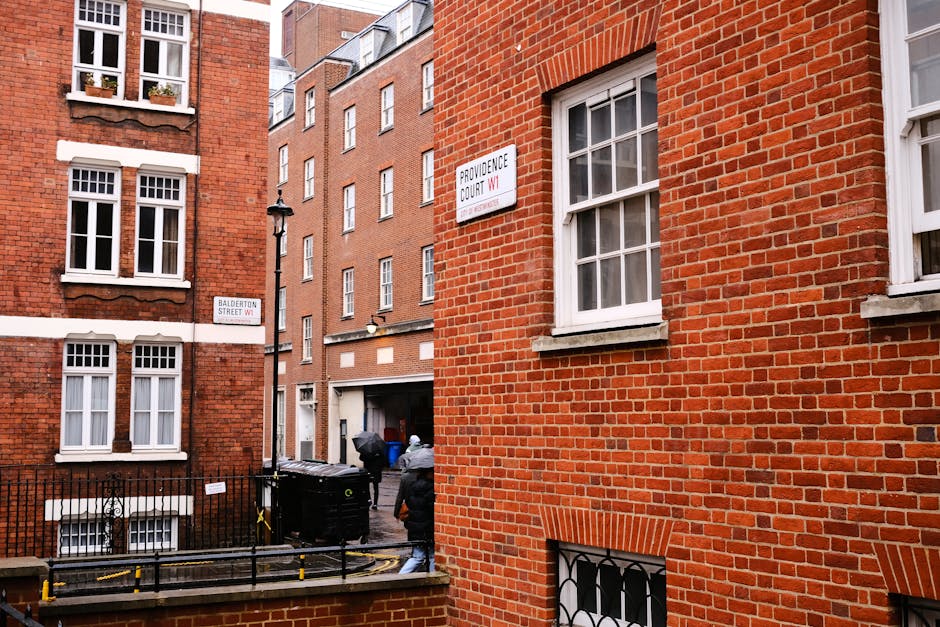
Marylebone is one of those London neighbourhoods where access can be just as important as the property itself. Lovely streets, yes. Convenient, yes. Easy for a removal van to settle in for an hour? Not always. That is why moving permits, loading permissions, and parking arrangements matter so much here.
In a local move, the biggest issue is rarely the distance between the two addresses. It is the minutes lost while the driver circles for a legal stop, the risk of blocking traffic, or the awkward moment when the only available space is not suitable for loading. A permit or agreed parking arrangement helps reduce that friction.
For Marylebone residents, it is also about keeping the move calm and predictable. If your move date is already a juggle, the last thing you need is a van waiting half a street away while everyone carries furniture in the rain. Been there, seen that, nobody enjoys it.
There is another point people miss: permits are not just about avoiding a ticket. They can shape the whole moving plan. A good parking setup can affect arrival time, lifting distance, the number of trips required, and whether a job that should take a morning turns into a very long day.
That is why smart movers look at the access first and the boxes second. The boxes matter, naturally, but the street can decide the mood of the whole job.
How Westminster Council moving permits for Marylebone Works
At a high level, the process is straightforward: you check what parking or loading restrictions apply at your Marylebone address, decide whether a permit or dispensation is needed, and then line that up with your move date and vehicle type. The detail changes depending on the street, the bay type, and the length of time required.
In many cases, the issue is not a formal "moving permit" in the absolute sense, but rather a parking or loading arrangement that allows a vehicle to stop legally for removal work. The exact wording and availability can vary, so the safest approach is to treat every move as an access planning task rather than a last-minute parking guess.
Here is the practical version:
- Check the property location and the street restrictions.
- Confirm the size and timing of the removal vehicle.
- Work out whether loading will happen from a bay, single yellow line, or other approved space.
- Allow enough time for loading and unloading.
- Keep the move plan flexible in case the street is busier than expected.
That flexibility matters. A van may arrive on time, but if another vehicle is in the loading spot or a road closure changes traffic flow, your team needs a plan B. In Marylebone, that is not an odd edge case; it is normal London reality.
If your move also involves larger furniture, awkward items, or multiple trips, it helps to think beyond parking alone. Services such as furniture removals in Marylebone or a suitable removal van in Marylebone can be easier to coordinate once access is mapped out properly.
And if you are still at the planning stage, it is often worth reviewing the broader services overview so you can match the move type to the access situation rather than forcing the other way around.
Key Benefits and Practical Advantages
Getting the permit side of a Marylebone move under control gives you more than just compliance. It gives you a smoother day, fewer surprises, and better use of everyone's time.
- Less stress on the day: You know where the van can stop, so the team can get on with the move.
- Lower risk of delays: Less time searching for legal parking means more time moving items.
- Better protection for bulky items: The shorter the carry distance, the lower the chance of bumping furniture against walls, railings, or stairwells.
- Cleaner scheduling: If a loading window is tight, the whole job can be planned around it.
- Reduced risk of penalties or complaints: Nobody wants an avoidable parking issue in the middle of moving day.
There is also a commercial benefit if you are managing a rental, a lease exit, or a business relocation. When access is planned well, the job looks professional. The building entrance stays calmer, neighbours are less irritated, and the move has a better chance of finishing on schedule.
That is especially important for flat removals in Marylebone and office removals in Marylebone, where timing and access can both be tight. A permit plan is not glamorous, but it does a lot of quiet heavy lifting.
Expert summary: In Marylebone, moving permits and parking access are less about paperwork for its own sake and more about controlling the one thing that can derail a move fastest: where the van can legally and safely stop.
Who This Is For and When It Makes Sense
Not every move in Marylebone needs the same level of parking planning, but a lot more moves need it than people expect. If your van will be on-street, if the property is on a busy road, or if loading space is limited, this is for you.
You are most likely to need to think about Westminster Council moving permits for Marylebone if you are:
- moving from a flat with limited street access
- moving into a building with no private driveway
- using a larger van or removal vehicle
- arranging a same-day move
- moving during busy weekday hours
- coordinating an office, student, or landlord-related move-out
It also makes sense if you are moving into or out of streets around central Marylebone where parking is heavily controlled and loading space can vanish fast. A job that looks simple on a map can become fiddly in person. The pavement is narrow, the bay is occupied, and suddenly everyone is standing around looking at the sky. Very London.
For smaller jobs, a more flexible setup may work better. If you only have a handful of items and no awkward access constraints, a lighter option such as man with van Marylebone or man and a van Marylebone may be enough. For bigger or more delicate loads, such as piano removals in Marylebone, access planning becomes even more important.
Step-by-Step Guidance
If you want a simple way to approach this, follow a clean sequence. It saves time and, more importantly, it helps you spot the awkward bits before moving day.
1. Check the street conditions first
Look at the property location and ask: can a van stop close enough to load safely? If the answer is "maybe" or "not really", assume you need a plan, not hope. Hope is lovely. Not always operational.
2. Measure the size of the move
A single room move, a family house, and an office relocation all need different access planning. More items mean more time on the kerb, which may change the type of parking arrangement you need.
3. Match the vehicle to the access
Not every street is suitable for every van size. A removal vehicle that is perfect for a house move can be awkward on a tight Marylebone side street. Choosing the right vehicle reduces the chance of last-minute reshuffling.
If you need help deciding, man with a van Marylebone and removal services in Marylebone can give you a better fit depending on access and volume.
4. Build in a realistic time window
One of the biggest mistakes people make is underestimating how long loading takes. Stairs, fragile items, lifts, and traffic all slow things down. Add a buffer. You will almost always use it.
5. Confirm the final plan in writing
Before the move, keep the agreed date, vehicle type, arrival window, and any parking notes together in one place. It sounds obvious. It is. And yet people still lose the number for the building contact or forget which side street the van was meant to use.
6. Prepare the property itself
Clear hallways, label boxes, protect floors if needed, and make sure the front access is not cluttered. If items are packed well, the removal team can work faster and the loading window is used properly. If you want a stronger packing setup, packing and boxes in Marylebone can make a surprising difference.
A sensible move plan often includes secure overnight staging, especially for larger moves. In some cases, storage can reduce pressure if completion times are awkward. If that sounds relevant, see storage in Marylebone before you finalise the schedule.
Expert Tips for Better Results
After enough moves, certain patterns show up. The good news is that the fixes are usually simple.
- Start with access, not packing: If the van cannot stop properly, no amount of tidy boxing will save time.
- Use the quietest loading window you can: Early mornings or off-peak periods can be kinder, though local restrictions still matter.
- Keep your essentials separate: Keys, documents, chargers, kettle bits, and one change of clothes should not be buried in a mystery box.
- Warn the building if needed: A quick heads-up to neighbours or concierge staff can prevent awkward interruptions.
- Take a walk down the street before moving day: Sounds old-school, but a real look often reveals bins, resurfacing work, or parking pressure that a map won't show.
One more thing. If you are moving near Marylebone Station, Baker Street, or other busy corridors, traffic can feel like it changes mood by the hour. A route that works at 9:30 may be messy at 11:00. So yes, timing matters. A lot.
For commuters or time-sensitive moves, it can help to review the Marylebone Station move checklist and, for tighter schedules, same day removals in Marylebone. The access lesson is the same: plan the street, then plan the boxes.
Common Mistakes to Avoid
Most moving problems in Marylebone are not dramatic. They are just avoidable. That is almost worse, honestly, because you can see them coming if you know what to look for.
Leaving parking until the last minute
This is the classic one. People focus on packing, cleaning, and key handover, then realise the van has nowhere legal to stop. By then, choices are limited.
Assuming a small van will solve everything
A smaller van may help on tight streets, but if it forces extra trips, the whole move can take longer. Sometimes a slightly larger vehicle with proper access is the better answer.
Ignoring loading distance
Even if the van is technically nearby, a long carry from the kerb to the front door can waste time and strain the team. In Marylebone, those extra few metres matter more than people expect.
Not checking street-specific quirks
Some roads are deceptively awkward. A road can look straightforward online and still have awkward bends, busy crossings, resident permit pressure, or a terrible place to turn a van. If you have ever watched a driver reverse with one eye on a mirror and the other on a cyclist, you know the feeling.
Under-packing fragile items
Poor packing makes every loading stop slower. Broken boxes, loose cutlery, and badly protected furniture create delays that can ripple through the whole schedule. If you need a better prep process, start early and pack properly.
For slightly tricky or last-minute moves, it can also help to understand common access issues from local experience. Guides like why moves stall on Wigmore Street and Portman Estate van access tips are useful because they show how small street details can cause big delays.
Tools, Resources and Recommendations
You do not need a mountain of tools to handle this well. A few practical items and a clear plan are usually enough.
- Notebook or phone notes: Keep the access plan, timings, and contact details in one place.
- Room-by-room labels: Helps the team unload efficiently once the van arrives.
- Basic packing materials: Strong boxes, tape, markers, and protective wrap are worth the small cost.
- Floor and door protection: Especially useful in shared buildings or period properties.
- Arrival window buffer: Leave room for traffic, lift delays, and small surprises.
For people who want a more structured moving experience, the wider site resources can help shape the job. pricing and quotes are useful if you are comparing move sizes, while removals in Marylebone and removal companies in Marylebone help you understand the range of service levels available.
If the move involves extra items you do not want to take with you, it is often smarter to clear them out before the moving day. The article on bulky item pickup in Marylebone is handy for that sort of declutter-first approach.
Law, Compliance, Standards, or Best Practice
With moving permits and on-street loading, the safest approach is to follow the council's parking rules, the building's access rules, and any instructions from the moving team. I am being careful here on purpose: specific council processes can change, and street-level restrictions are not all identical.
What matters most in practice is:
- using lawful stopping and loading arrangements
- respecting time limits and bay restrictions
- avoiding obstruction of traffic or pedestrian routes
- keeping communication clear between the mover, the resident, and the property manager
- planning for the actual time the move needs, not the idealised version of it
If your move is in a managed building, there may also be house rules about lifts, service entrances, protecting common areas, and booking move windows. Those rules are not just administrative clutter. They are part of a smooth move, and they can matter just as much as parking.
In our experience, the best practice is to treat access compliance as part of the move itself, not a separate admin task. That mindset saves a lot of hassle. And usually a lot of sighing.
Options, Methods, or Comparison Table
There is more than one way to handle a Marylebone move, and the right option depends on street access, volume, timing, and how much help you want on the day.
| Option | Best for | Pros | Trade-offs |
|---|---|---|---|
| Self-managed move with a hired van | Very small, simple moves | Lower service cost, flexible if you are organised | You handle loading, parking coordination, and timing yourself |
| Man and van service | Light to medium moves, quick local jobs | Fast, practical, often easier on narrow streets | May still need careful parking planning |
| Full removal service | House moves, flats, offices, delicate items | More support, better for complex access, less lifting stress | Higher overall cost than a basic vehicle-only option |
| Storage-first move | Moves with timing gaps or renovation delays | Reduces pressure when dates do not line up neatly | Requires extra coordination and possibly more handling |
If you are not sure which direction makes sense, think about the access first. A short carry, easy street stop, and modest load can work well with a leaner option. But if there are stairs, heavy furniture, or a strict loading window, a more supported service is often the calmer choice.
Case Study or Real-World Example
Here is a typical Marylebone scenario. A couple is moving out of a first-floor flat on a busy street, with a sofa, bed frame, a dining table, and the usual collection of boxes that seems to multiply overnight. The road has limited stopping space and regular daytime activity. If the van arrives without a parking plan, the team spends time looking for a legal loading spot and the lift schedule gets thrown off.
Now compare that with the better version. The access is checked the day before, the van size is matched to the street, the loading window is agreed in advance, and the most awkward items are grouped near the door. The team can load quickly, the neighbours are disturbed less, and the move finishes in a much more controlled way.
The difference is not magic. It is planning. A slightly boring word, perhaps, but it earns its keep.
For this kind of move, a local provider with a sensible access plan can be a big help. If you are comparing options, a route through man and van Marylebone or house removals in Marylebone can be a good starting point, depending on how much you need moved and how tight the street is.
Practical Checklist
Use this checklist a day or two before the move. It is simple, but it catches the usual problems.
- Confirm the move date and arrival time.
- Check street access and likely parking restrictions.
- Decide whether the van will need a loading bay or another stopping arrangement.
- Confirm the vehicle size matches the access.
- Clear the front path, hallway, and stairwell.
- Pack and label boxes clearly.
- Separate fragile items and valuables.
- Keep keys, phone, and move documents in one place.
- Let the building or neighbour contact know the expected timing if relevant.
- Build in a small buffer for traffic or loading delays.
- Review any storage, disposal, or extra-item needs.
- Have a contact number ready for the driver or removal team.
If you want a smoother handoff, it can help to use the same practical preparation approach described in package your items and wait for us to come. For timing-sensitive jobs, we will deliver at the best time for you is also a useful reminder that the schedule should work around the move, not the other way around.
Conclusion
Westminster Council moving permits for Marylebone are really about access, control, and keeping moving day from turning messy. If you get the parking and loading side right, everything else becomes easier: the lift runs on time, the team loads faster, and you are not wasting energy on avoidable problems.
The best moves in Marylebone are rarely the flashiest. They are the ones where the street plan is clear, the boxes are ready, and the van has a sensible place to stop. That is the quiet secret, if you like. Not glamorous, but extremely effective.
Get a free quote today and see how much you can save.
If your move is coming up soon, take a breath, check the access properly, and make the parking plan before the boxes take over the hallway. That one small bit of preparation can make the whole day feel far more manageable - and a lot more human.
Frequently Asked Questions
Do I always need a permit for moving in Marylebone?
Not always. It depends on the street, the type of parking available, and how long the van needs to stop. Some moves can use existing loading arrangements, while others need a more formal parking plan.
What is the difference between a parking permit and a loading arrangement?
A parking permit usually relates to the right to park in a controlled space, while a loading arrangement is about stopping temporarily to load or unload. For a move, the loading side is often the key issue.
How far in advance should I plan the move access?
As early as you can. A few days is better than a few hours, especially in a busy area like Marylebone. The earlier you check the street, the easier it is to match the van and timing.
Can a small man and van service avoid permit issues?
Sometimes a smaller vehicle makes access easier, but it does not remove parking restrictions. You still need to think about where the vehicle will stop and whether the stop is legal and practical.
Are Marylebone side streets harder for removals?
Often, yes. Side streets can be narrower, busier, or more constrained than they first appear. That does not mean they are impossible - just that access needs to be checked carefully.
What happens if the van cannot park near the property?
The team may have to carry items further, which takes more time and energy. In some cases, the schedule needs to be adjusted. That is why access planning matters so much before move day.
Do office moves need different planning from house moves?
Usually they do. Office moves may involve tighter time windows, building rules, lifts, and larger numbers of smaller items. In Marylebone, office access is often just as important as parking.
How do I prepare if I am moving on a busy weekday?
Allow extra time, keep the front access clear, and have your boxes ready before the van arrives. Weekday traffic can make everything feel tighter, so a little buffer helps a lot.
What if I also need storage or disposal help?
It is best to plan that early. Storage can help when dates do not line up cleanly, and disposal can reduce the volume on moving day. Both can make the day smoother.
Is it worth using a local Marylebone removal team?
Usually, yes, if the streets are tricky or the move is time-sensitive. A local team is more likely to understand access quirks, building rules, and the realistic pace of the area.
What should I ask before booking a move in Marylebone?
Ask about vehicle size, expected loading time, street access, building restrictions, and whether any special planning is needed. Those questions are simple, but they prevent most surprises.
How do I know if my move is more suitable for a full removal service?
If you have bulky furniture, lots of boxes, stairs, fragile items, or a difficult loading location, a fuller service is often the safer and calmer choice. If you are unsure, it is better to talk it through than guess.