Portman Estate van access tips for Marylebone moves
Moving in Marylebone can feel straightforward on a map and slightly different in real life. The streets are elegant, often busy, and not always forgiving when a van arrives five minutes too late or parks in the wrong place. If you are trying to plan a move around the Portman Estate, good van access is not a nice extra - it is the bit that can make the whole day run smoothly, or turn it into a long, awkward shuffle with boxes and apologies.
This guide brings together practical Portman Estate van access tips for Marylebone moves, with a focus on what actually helps on moving day: access checks, parking realities, timing, loading strategy, and the small decisions that save time. Whether you are moving from a flat, a family home, or a small office nearby, the aim is the same: fewer surprises, safer handling, and a calmer start in your new place. To be fair, that is what most people want from a move in central London.
For a broader look at local moving support, you may also find the site's services overview, man and van Marylebone service, and removals in Marylebone pages useful while you plan.
Table of Contents
- Why Portman Estate van access tips for Marylebone moves Matters
- How Portman Estate van access tips for Marylebone moves Works
- Key Benefits and Practical Advantages
- Who This Is For and When It Makes Sense
- Step-by-Step Guidance
- Expert Tips for Better Results
- Common Mistakes to Avoid
- Tools, Resources and Recommendations
- Law, Compliance, Standards, or Best Practice
- Options, Methods, or Comparison Table
- Case Study or Real-World Example
- Practical Checklist
- Conclusion
- Frequently Asked Questions
Why Portman Estate van access tips for Marylebone moves Matters
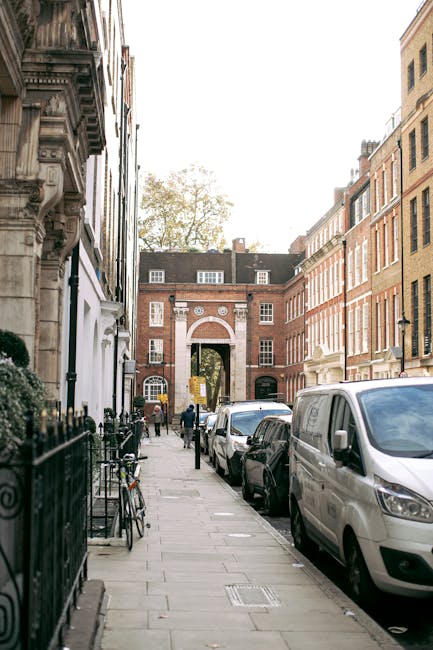
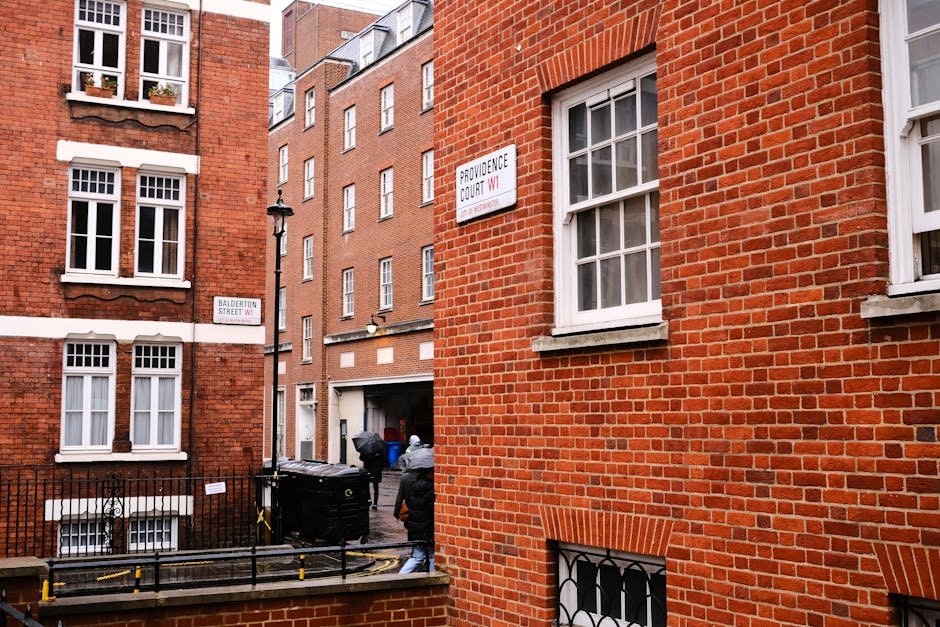
Portman Estate streets are part of what makes Marylebone feel so polished, but that same character also affects moving logistics. Narrower roads, resident parking pressures, controlled access points, and the general rhythm of central London traffic all matter when a van needs to stop, load, and leave efficiently.
It is not just about finding somewhere to park. It is about how long the van can stay in position, whether the loading area is close enough to the entrance, whether there is space for the tail lift or rear doors, and whether the route from property to vehicle is safe for carrying furniture. A move can go from neat to messy very quickly if a sofa has to be carried half a street because the van could not stop where expected.
This matters even more if you are moving larger items, using a furniture removals service in Marylebone, or trying to fit a move around building rules. The same goes for awkward items such as upright instruments, where specialist piano removals in Marylebone may need more careful access planning than a standard box-and-bag move.
There is also the human side of it. Residents, porters, neighbours, and building managers all appreciate a move that looks organised rather than improvised. A tidy plan tends to create fewer complaints, less stress, and less risk of damage. That alone is worth the preparation.
How Portman Estate van access tips for Marylebone moves Works
Good van access planning starts before the moving van is anywhere near the street. The basic idea is simple: work out where the van can legally and safely stop, how close it can get to your entrance, and what needs to happen so loading and unloading are quick and controlled.
In practice, this usually means checking a few things in advance:
- the width of the street or access road
- any loading restrictions or bay limits
- whether the building has a front step, shared entrance, or rear access
- lift availability and booking rules
- the distance from van to doorway
- time windows when access is easiest
For a simple flat move, that might mean arranging a van close to the entrance and using trolleys or shoulder-carrying where appropriate. For a house move, the challenge may be a longer carry, a tighter turning circle, or a need to stage items in a hallway before loading. If you are moving from a third-floor flat, the access plan becomes even more important because every extra metre matters once you start carrying boxes downstairs.
Sometimes the smartest approach is not the biggest vehicle. A smaller vehicle can be easier to place on a Marylebone street and may shorten the whole process. That is one reason people often compare a man with van in Marylebone option with a larger removal setup. The best choice depends on what you are moving, not just on the number of boxes.
And yes, timing matters a lot. Early morning can be calmer. Midday may bring more traffic and more competition for kerb space. Late afternoon often adds pressure from daily traffic patterns. None of this is glamorous, but it is the stuff that makes the day go right.
Key Benefits and Practical Advantages
When you get access planning right, the benefits show up very quickly. Less waiting. Less lifting. Less risk. Less noise, too. Neighbours notice when a move is orderly, and so does your moving team.
| Access choice | What it helps with | Best for |
|---|---|---|
| Direct kerbside loading | Fast loading, shorter carry distance | Compact moves, limited parking time |
| Pre-booked building access | Controlled entry, lift use, reduced delays | Flats, managed buildings, larger item moves |
| Smaller van with multiple trips | Easier parking and manoeuvring | Busy streets, constrained access points |
| Staged loading from inside | More orderly packing and safer handling | Office moves, fragile items, mixed loads |
There is another benefit that people often miss: better access planning protects the items themselves. Heavy furniture is less likely to get bumped when the route is short and clear. Fragile boxes are easier to carry when the team can move without squeezing past parked cars, bins, or impatient traffic.
If you are planning a broader move and want a stress-free handover, flat removals in Marylebone and house removals in Marylebone are both worth reviewing because access requirements can vary quite a bit between the two. A flat in a managed block is a different beast from a townhouse with a narrow entrance and awkward stairs. Truth be told, they rarely behave the same on moving day.
Who This Is For and When It Makes Sense
This guidance is for anyone moving in or around the Portman Estate where van access might affect the speed, cost, or safety of the job. That includes tenants, homeowners, landlords arranging a turnover, students with modest loads, and office teams relocating a few streets away.
It makes particular sense if any of these sound familiar:
- your property is on a busy central London street
- you have limited loading time
- your building has rules about arrivals or lift bookings
- you are moving larger furniture or specialist items
- you are trying to keep costs tight by avoiding delays
- you need same-day or short-notice support
If you are a student, a one-bedroom flat mover, or someone moving a lighter load, access planning still matters, just in a slightly different way. That is one reason services like student removals in Marylebone and same-day removals in Marylebone are often built around flexibility and quick decision-making.
Office moves are a different category again. A reception area, shared entrance, or commercial loading point can introduce scheduling and building management considerations that do not come up in a typical home move. If that sounds like you, have a look at office removals in Marylebone as well.
Step-by-Step Guidance
1. Confirm the access details early
Start with the basics: street name, building entrance, floor level, and any restrictions on stopping or loading. If a building manager or porter is involved, ask for their preferred moving window. A five-minute conversation now can save half an hour later. Easy win.
2. Measure the practical route, not just the address
Look at the whole journey from van to front door, then from front door to the room or lift. Are there steps? A tight hallway? A low ceiling? A shared corridor with furniture already in place? These details change how the team loads the van and what they bring with them.
3. Decide whether the vehicle size fits the street
In central Marylebone, smaller is sometimes smarter. A compact van can be easier to position than a larger removal vehicle, especially if kerb space is limited or neighbouring traffic is heavy. That does not mean small is always best, though. If you are moving lots of bulky items, too many trips may cancel out the convenience.
4. Match the service to the load
Once you know the access situation, match it to the moving service. For mixed household contents, you may need full removal services in Marylebone. For a handful of items, a more nimble van-based option may be enough. If you need a quick estimate first, the pricing and quotes page is a sensible place to start.
5. Pack for fast handoff
Pack boxes by room and label them clearly. Keep essentials separate. If the loading point is tight, you do not want anyone hunting for tape, keys, or the kettle while a van waits outside. For practical help, the packing and boxes Marylebone page is a good companion resource.
6. Keep communication simple on the day
One point of contact, one phone number, clear directions. If the van driver needs to arrive via a side street or wait briefly before approaching, say so in advance. It sounds obvious, but in real life this is where many delays start. Someone assumes someone else passed on the detail. Then the clock starts drifting.
7. Build in a buffer
Even a well-planned move can run late because of traffic, lift issues, or another vehicle blocking access. A sensible buffer reduces panic and gives the team room to work without rushing. If your building has exact timing rules, it is better to plan around them than to hope luck will be kind.
Expert Tips for Better Results
The best access plans are the ones that feel almost boring. No drama, no scrambling, no last-minute improvisation. Here are the details that tend to make a real difference:
- Visit at the same time of day as the move if you can. Morning and evening traffic can feel very different on the same street.
- Check door and stair dimensions before moving any large furniture. A sofa that clears the hallway in theory may still catch on a turn.
- Use protective coverings for communal hallways, especially in managed buildings. It shows respect and reduces the chance of scuffs.
- Keep fragile items separate from general boxes so they can be handled first or last, as needed.
- Ask about insurance and safety practices if you are moving valuable or awkward pieces. The insurance and safety guidance is worth reading before moving day.
- Think about sustainability when you are sorting what stays and what goes. Reuse boxes where possible, and recycle responsibly. The recycling and sustainability page is a useful touchpoint if you want to dispose of items properly.
Small detail, big result: the difference between a calm Marylebone move and a stressful one is often just access planning done early and honestly.
One more thing. If you are moving items that need more care than average - a piano, antique cabinet, or a heavy wardrobe - do not assume any van will do the job. Specialist handling, equipment, and route planning matter there. That is exactly the kind of move where a little caution goes a long way.
Common Mistakes to Avoid
Most access problems are avoidable. Not all, but most. And the usual causes are pretty familiar once you have seen a few moves around Marylebone.
- Leaving parking decisions to the day instead of planning them in advance.
- Assuming the van can stop directly outside without checking the street layout.
- Ignoring building rules about arrival times, lifts, or porter arrangements.
- Underestimating the amount of carrying needed between the van and the door.
- Packing too slowly and pushing the schedule into the busiest part of the day.
- Choosing the wrong vehicle size for the street or the load.
- Forgetting specialist items that need separate handling or extra space.
A surprisingly common one? Not telling the mover about the awkward bit because it seems minor. A single flight of stairs, a basement room, a locked gate - those little things can reshape the whole job. Mention them. Always.
If you are comparing providers, use the removal companies Marylebone page alongside the more specific service pages, so you can judge who really understands central London access rather than just listing it on a website.
Tools, Resources and Recommendations
You do not need a toolbox full of gadgets to move well. But a few practical tools and resources make the day far easier.
- Measuring tape for doors, stairs, furniture, and lift openings
- Phone photos of the access route, loading point, and any tricky corners
- Box labels with room names and priority items
- Protective blankets or covers for furniture and building surfaces
- Reusable bags for loose items and essentials
- Clear written instructions for access, entry codes, and contacts
From a service perspective, it helps to work with a provider that makes the booking and timing process clear. The man with a van Marylebone and man and a van Marylebone pages can help you judge which kind of support fits a smaller or more flexible move. If you want a broader service set, check removal van Marylebone as well.
For readers who prefer a local context before moving, the site's articles on Marylebone's character and streetscape, local experiences, and buying property in Marylebone give useful background on how people live and move in this part of London. That context matters more than people think.
Law, Compliance, Standards, or Best Practice
Moving in London is not usually about one single law or rulebook; it is more about applying common-sense compliance with local parking conditions, building requirements, and basic safety practice. The main thing is to avoid assumptions.
In a Portman Estate or Marylebone setting, the practical standards to pay attention to are:
- Parking and loading restrictions that may apply on the street or nearby roads
- Building access rules set by landlords, managing agents, or porters
- Safe manual handling so items are lifted and carried properly
- Insurance and liability awareness for transport and handling of goods
- Respect for communal areas such as lifts, hallways, and entrances
If your move involves complex access, valuable items, or time-sensitive constraints, it is sensible to confirm exactly how the move will be handled and what support is included. The pages on terms and conditions, payment and security, and health and safety policy can help you understand the expected standards before booking.
If you have accessibility needs or need specific adjustments, check the accessibility statement and discuss practical arrangements early. That is the sensible route, really. It keeps everyone on the same page.
Options, Methods, or Comparison Table
Different moves need different access strategies. Here is a straightforward comparison to help you choose the right approach.
| Method | Best use case | Strengths | Watch-outs |
|---|---|---|---|
| Compact man and van | Light to medium moves with tricky street access | Easier parking, flexible, efficient | May require multiple trips |
| Standard removal van | Average household moves with moderate access | Good capacity, practical for furniture | Less nimble on tight streets |
| Full removal service | Larger homes, office moves, or fragile items | More support, better handling, more structure | Needs clearer scheduling and planning |
| Specialist item move | Pianos, antiques, or unusually heavy pieces | Tailored handling, safer for difficult items | Usually requires extra prep and access checks |
In simple terms: choose the lightest, safest option that still fits the job. A smaller van can be a blessing in a tight Marylebone street, but if your sofa, bed frame, and boxes all need to move in one load, make sure the vehicle and service level can genuinely handle it.
People sometimes get fixated on one detail, usually the van size. That matters, yes. But access, timing, and handling are just as important. Sometimes more.
Case Study or Real-World Example
Imagine a couple moving from a second-floor flat near the Portman Estate into a nearby Marylebone townhouse. The street is busy in the morning, the building has a narrow entrance, and the lift is small. Nothing unusual by London standards, but enough to cause trouble if nobody plans properly.
They first check the access route and realise a larger van would be awkward to park near the property. So they choose a smaller vehicle with a team that can work quickly, carry items in controlled batches, and keep the hallway clear. The bulky sofa is measured in advance, so the team knows to angle it carefully through the doorway. Boxes are labelled by room, and fragile kitchen items are loaded separately so they can be unloaded first at the new place.
On the day, the van arrives in the agreed window, the route is clear, and loading starts without that annoying pause where everyone stands around wondering who has the key. Not exactly cinematic, but that is the point. The move is steady, efficient, and uneventful in the best possible way.
In a slightly more complex case, an office relocating nearby might use a combination of storage and staggered moving. If that applies to you, storage in Marylebone can be worth exploring if not everything can go in one trip. Sometimes the smartest move is not one big push, but a well-timed sequence.
Practical Checklist
Use this checklist before moving day. It is simple, but it covers the things that usually matter most.
- Confirm the full address and exact entrance point
- Check if the street allows loading at your chosen time
- Ask about building access, lift use, and booking requirements
- Measure any furniture that might be tight through doors or stairs
- Decide whether a compact van or larger removal vehicle fits better
- Pack and label boxes by room
- Set aside fragile and essential items separately
- Share a contact number with the mover
- Protect floors, walls, and shared hallways where needed
- Build in extra time for traffic or access delays
- Check insurance, payment, and booking terms beforehand
- Confirm whether any items need specialist handling
Keep this list short and visible. On moving day, nobody wants to dig through a note app while balancing a lamp, a key fob, and a half-open box of books. Been there, regrettably.
Conclusion
Portman Estate van access tips for Marylebone moves come down to one simple idea: plan the access as carefully as you plan the packing. In a neighbourhood like Marylebone, the difference between a smooth move and a stressful one often lies in the small things - kerb space, timing, lift access, and how well everyone understands the route before the van arrives.
If you prepare early, keep communication clear, and choose the right moving support for the load, you give yourself a much better chance of a calm, efficient day. That is true whether you are moving a one-bed flat, a family home, or a small office nearby. And if you are still weighing up your next step, it may help to review the service pages, check the costs, and think through access before you commit. A little care now usually pays off later, quietly but nicely.
Get a free quote today and see how much you can save.
For questions, tailored access advice, or help planning your move, you can also contact the Marylebone team here.
Frequently Asked Questions
What is the main challenge with van access around the Portman Estate?
The main challenge is usually the mix of narrow or busy streets, limited stopping space, and building-specific access rules. Even when the distance looks short, loading can take longer than expected if the van cannot get close to the entrance.
Should I choose a small van or a larger removal van for a Marylebone move?
It depends on the street and the load. A smaller van is often easier to position in tight central London spaces, while a larger van may reduce trips for bulkier moves. The best choice is the one that fits both access and volume.
Do I need to check with my building before the move?
Yes, in most cases you should. Many buildings have rules about lift booking, arrival times, or temporary access arrangements. A quick check avoids last-minute delays and helps the moving team plan properly.
How far in advance should I arrange access details?
As early as possible, ideally before you book the move. The earlier you confirm parking, loading, and building access, the easier it is to match the right vehicle and team to your situation.
What if there is no parking directly outside?
That is common in central London. The move can still work well if the nearest legal stopping point is identified in advance and the team understands the carry distance. It may just take a little longer.
Are same-day moves possible in Marylebone?
They can be, depending on availability and access conditions. If the route is complicated or the load is large, it is even more important to speak clearly about timing and vehicle needs. See same-day removals in Marylebone for a better sense of the service type.
What items need special access planning?
Large furniture, pianos, antiques, and awkwardly shaped pieces usually need extra thought. Anything that is heavy, fragile, or difficult to turn through narrow spaces should be measured and discussed in advance.
Can I use storage if my access or timing is not ideal?
Yes, storage can be a practical option if you are moving in stages or if the new place is not ready for everything at once. It is often useful for office moves or transitional home moves where space is tight.
How do I avoid delays on moving day?
Give clear instructions, label boxes, confirm the access route, and keep a single contact number available. Also, try to avoid peak traffic windows where possible. Small things, but they matter a lot.
Is insurance important for a Marylebone move?
Yes, especially if you are moving valuable, fragile, or heavy items. Insurance and safety arrangements give you reassurance and show that the move is being handled professionally. It is worth checking before booking.
What if my building has a very tight entrance or staircase?
Let the mover know early. Tight entrances may change the size of vehicle used, the handling method, or the number of people needed. In some cases, specialist equipment or extra planning is the safest route.
Where can I get a quote for a move with access concerns?
You can start with the pricing and quotes page. If your move has unusual access, provide as much detail as possible so the quote reflects the real conditions rather than a guess.